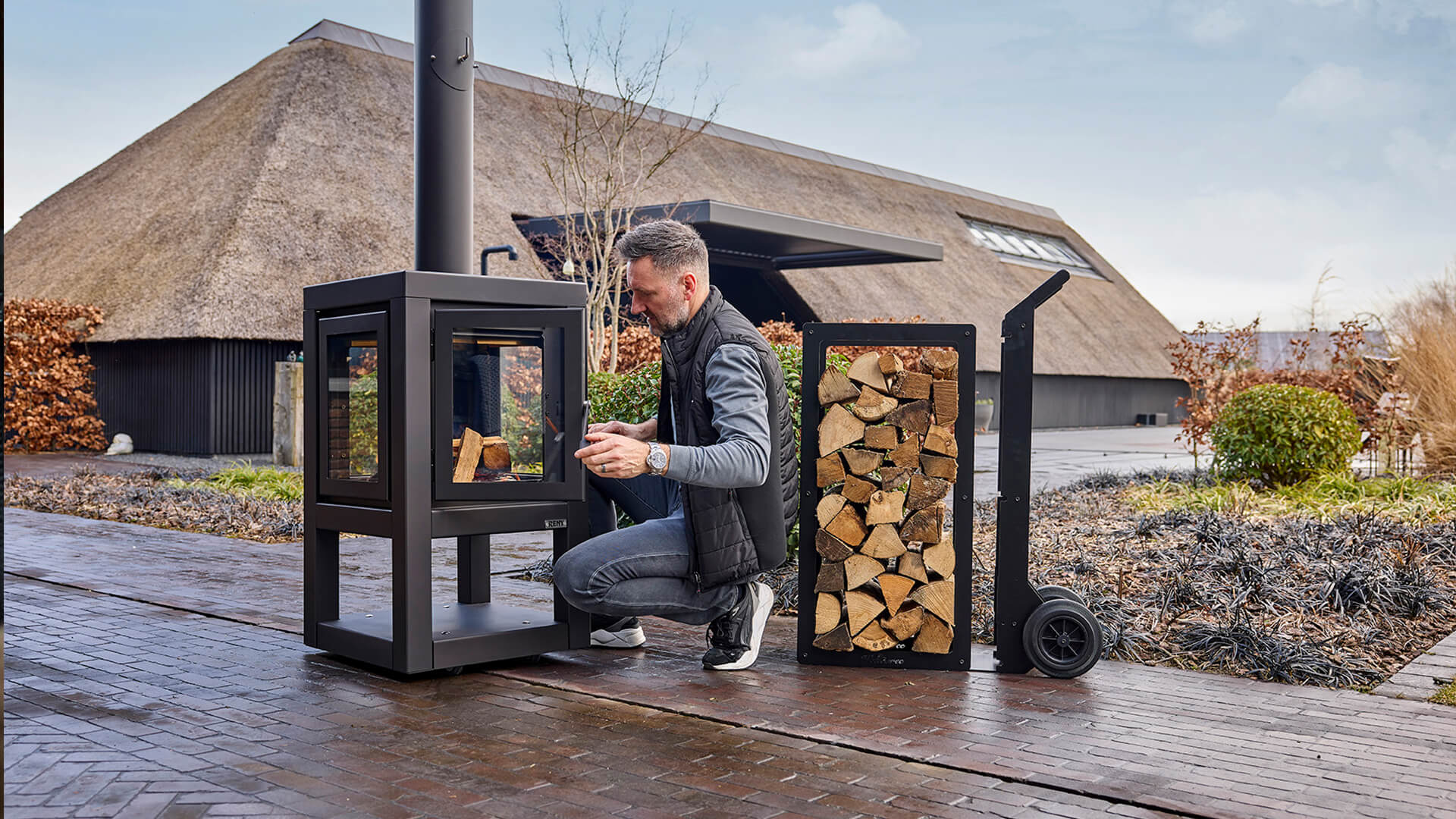
How to Clean an Outdoor Woodburner

An outdoor wood burner is built to be enjoyed—not constantly maintained. But like anything that lives outside, a bit of regular care keeps it performing properly and looking its best.

The good news? If your stove is made from high-quality materials like corten steel or stainless steel, cleaning is quick, simple, and doesn’t turn into a full weekend job.

This guide walks you through exactly how to clean your outdoor wood burner properly—without overcomplicating it.

What You’ll Need

Before you start, grab a few basics:

  • Ash shovel or scoop
  • Metal ash bucket (with lid)
  • Soft cloth or brush
  • Warm soapy water
  • Optional: glass cleaner

No specialist kit required.


Step 1: Let the Stove Cool Completely

This is where people get caught out.

Ash and internal components can stay hot for hours after the fire has gone out. Always leave your stove to cool fully before cleaning—ideally overnight.

Step 2: Remove Ash Safely

  • Use a shovel or scoop to remove excess ash
  • Leave a thin layer behind (helps with insulation for your next burn)
  • Store ash in a metal container with a lid


Tip: Hot embers can stay hidden in ash for a long time—never use plastic bins.

Cleaning an outdoor wood burner is simple: let it cool completely, remove excess ash, wipe down the exterior, and clean the glass if needed. Stoves made from corten steel or stainless steel require minimal maintenance, making the process quick and straightforward.

Step 3: Clean the Exterior

This is where material choice really matters.

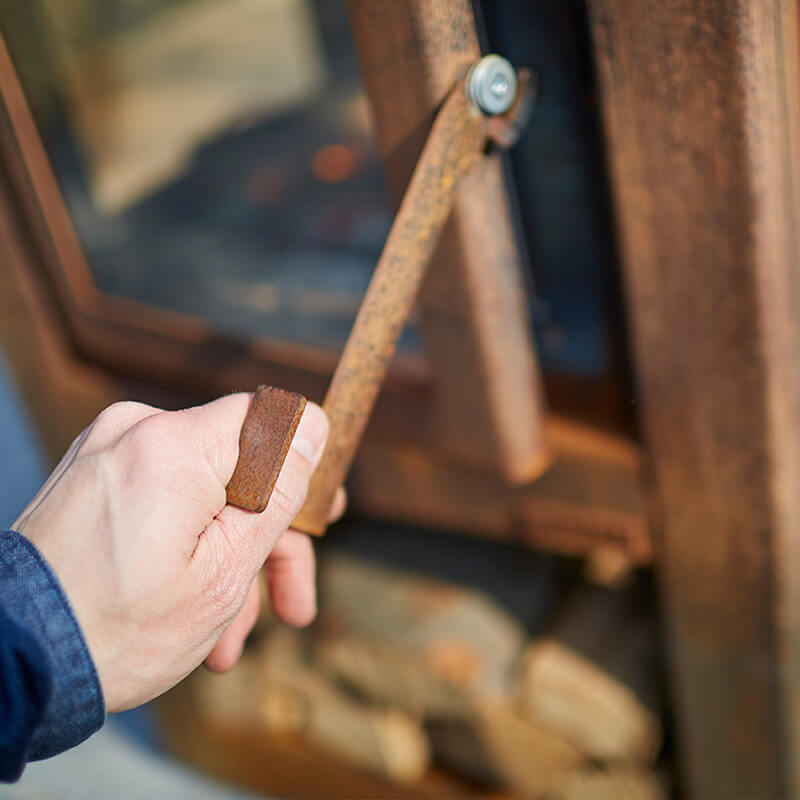
Corten Steel

  • No traditional cleaning needed
  • The weathered patina is intentional and protective
  • Brush off loose debris or wipe lightly if required


Avoid scrubbing the patina, this is what protects the steel underneath.


Stainless Steel

  • Wipe with a soft cloth and warm soapy water
  • Dry afterwards to avoid streaks
  • Use a non-abrasive cleaner for tougher marks


Quick, simple, done.

Step 4: Cleaning the Glass

If your stove has glass panels:

  • Use a soft cloth or paper towel
  • Try the classic trick: damp paper + a small amount of ash
  • Wipe clean with water afterwards


Avoid harsh chemicals or abrasive pads.

Step 5: Check the Chimney and Airflow

A quick check keeps everything running smoothly:

  • Ensure the flue isn’t blocked
  • Look for soot build-up over time
  • Keep airflow openings clear


Better airflow = cleaner burn = less mess next time.


How Often Should You Clean Your Outdoor Wood Burner?

Keep it simple:

  • After each use: rake over the ash inside, remember you do not need to remove all of the ash prior to using the stove
  • Every few weeks: Remove the ash to prevent moisture build up internally (depending upon use)
  • Seasonally: Exterior wipe-down (if needed), visually check the chimney pipe, by removing the deflector plate internally


If you’re constantly deep-cleaning, it’s usually a fuel issue.

Our Mat Stainless Steel Silver Finish

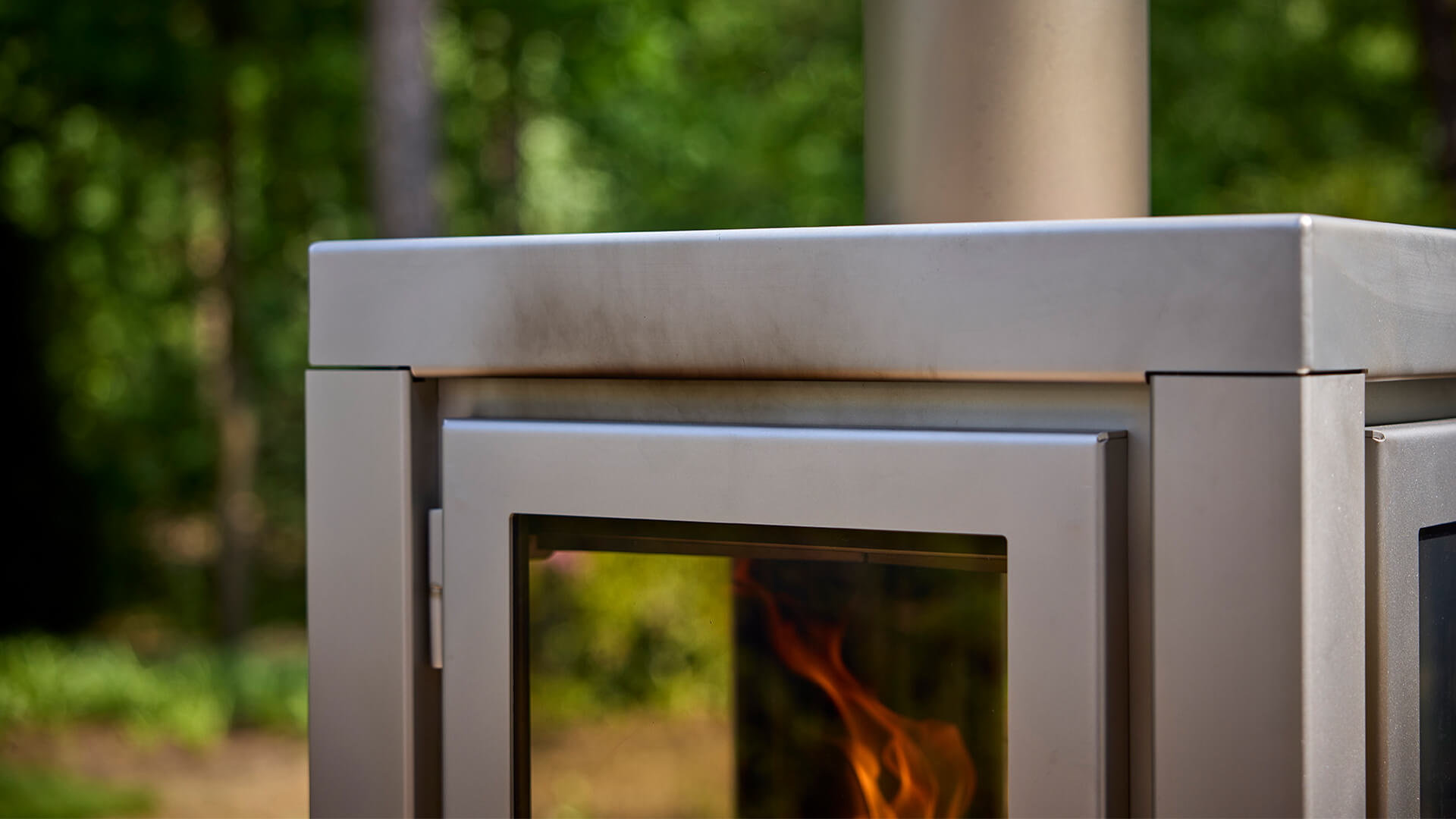
If you own one of our RB73 Quaruba outdoor woodburners in the mat stainless-steel silver finish, then it is important to understand how it will naturally change with use.

Discolouration is normal
Exposure to high temperatures will cause subtle colour changes in the steel, often appearing as light gold, blue, or darker tones.

Soot around the door
As this is a lighter colour material, leaving the door open for extended periods of time can cause soot to build up around the door. Likewise you will notice more discolouration around the door and directly above the door due to the heat that escapes the fire when it is being re-loaded. Avoid leaving the door open for long periods of time to minimise this.


This is not a fault
These changes are a natural reaction to heat and are part of how stainless steel behaves in real-world use. Over time, this creates a slightly more characterful, lived-in look

The matt finish highlights variation
Because is an unpolished, unpainted, raw sandblasted finish, you can expect tonal colour changes which will be more visible compared to shinier finishes.

No maintenance required to “fix” it
This isn’t something that needs to be removed or corrected—it’s purely visual and doesn’t affect performance or longevity.

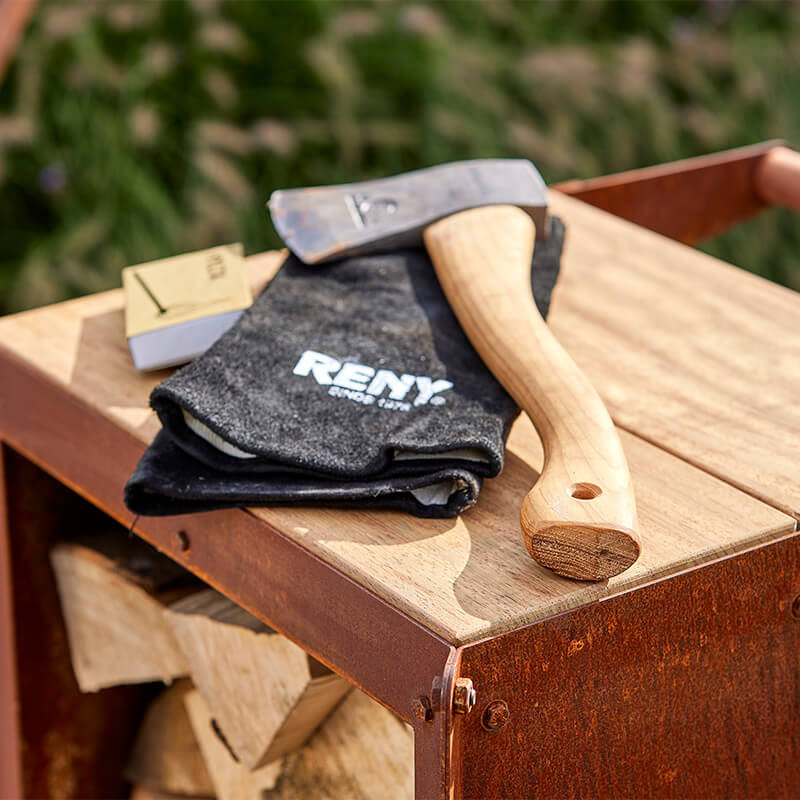
Why Material Matters

The level of maintenance required depends heavily on what your stove is made from.

  • Corten Steel – Forms a protective outer layer, allowing it to be left outside year-round with minimal upkeep.
  • Stainless Steel – Naturally corrosion-resistant and easy to clean.
  • Lower-Grade Materials – Often require more regular protection, painting, or covering to prevent deterioration.

Common Mistakes to Avoid

  • Cleaning while the stove is still warm
  • Using water on hot surfaces
  • Scrubbing corten steel aggressively
  • Burning wet or treated wood


Avoid these, and cleaning becomes quick and easy.

Final Thoughts

Cleaning an outdoor wood burner shouldn’t feel like a chore—it should feel like a quick reset, ready for the next fire.

With the right materials and a simple routine, you’ll spend less time maintaining your stove and more time enjoying it.

Related Posts

How to Replace Glass in an RB73 Stove

Replacing glass in an RB73 stove depends on the model and location: door glass is removed using pop-out clips, while side and rear panels (on certain models) lift out or are unbolted first. In all cases, the new glass must sit perfectly flat with no wobble—there are no rope seals or tightening involved.

Read More
0