Sheddak Modular Logstore: Configurations Explained

The Core Idea: One Module, Endless Combinations

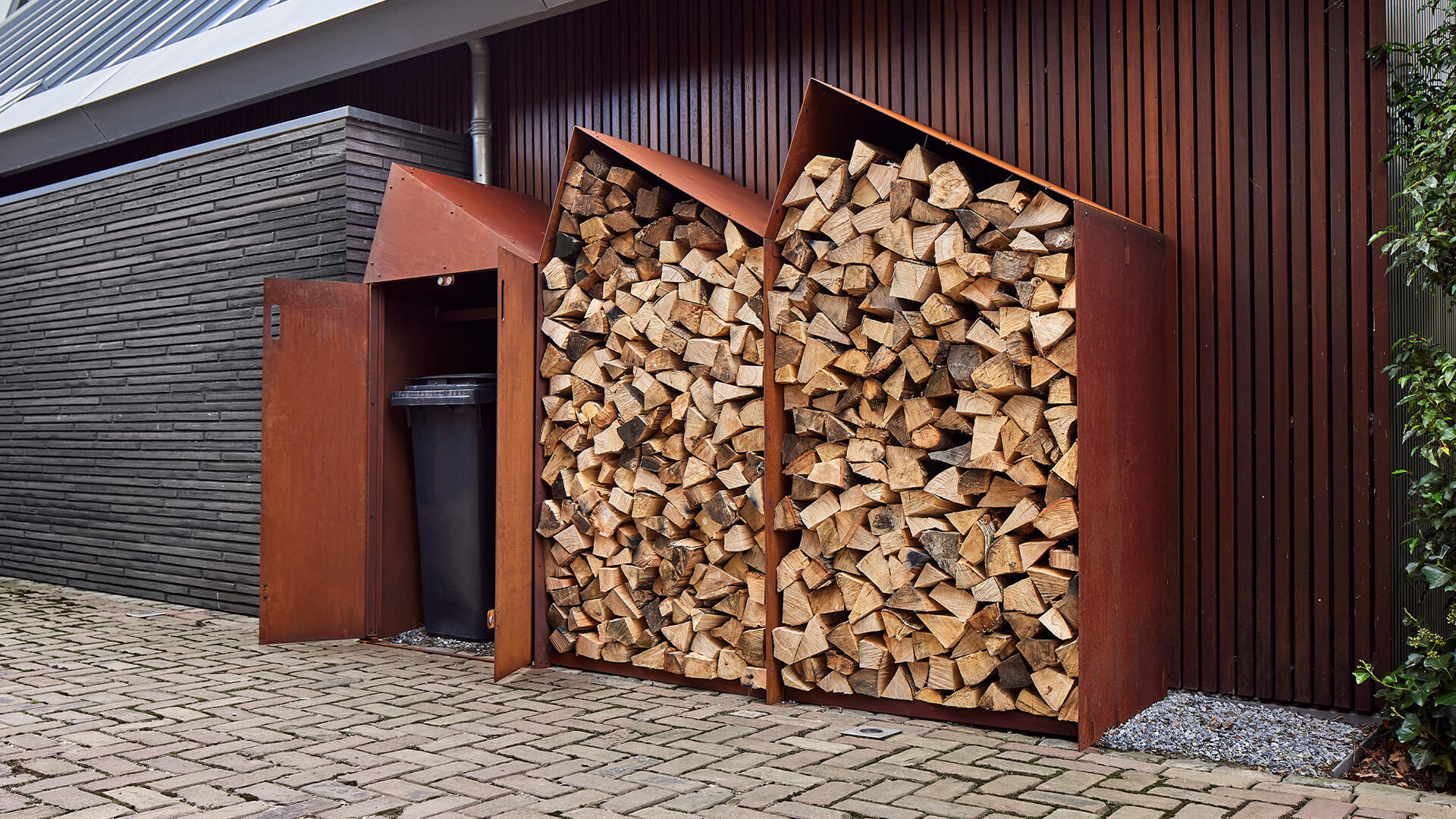
Each Sheddak unit is a standalone module with a distinctive industrial roof profile (more on that in a second).

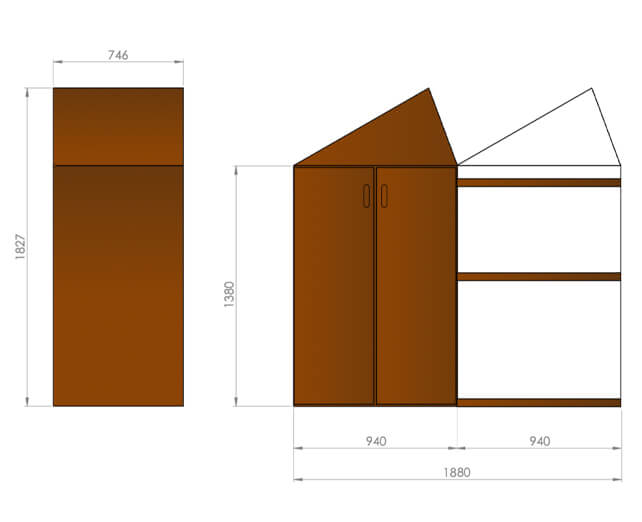
Per module dimensions:

  • Height: 182 cm
  • Width: 94 cm
  • Depth: 74 cm


Every module includes a raised base plate, keeping logs off the ground—because soggy firewood is about as useful as a chocolate teapot.
Open vs Enclosed: The Big Decision

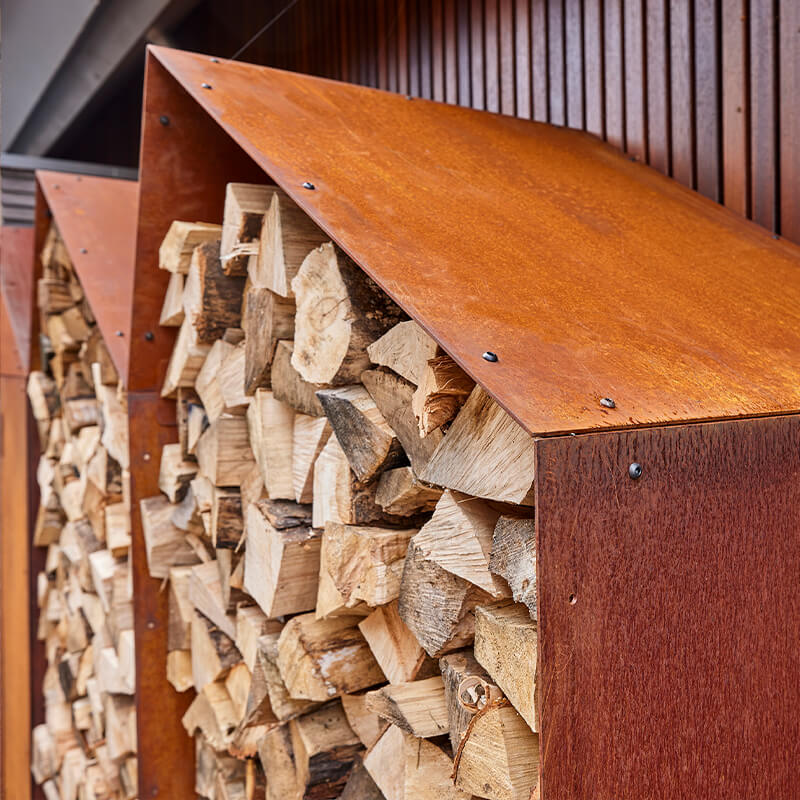
Open Modules (Best for Firewood)

Open modules are designed for airflow and seasoning.

  • Ideal for drying and storing logs
  • Easy access
  • Keeps wood well ventilated


If your main goal is burning wood efficiently, this is your go-to setup.

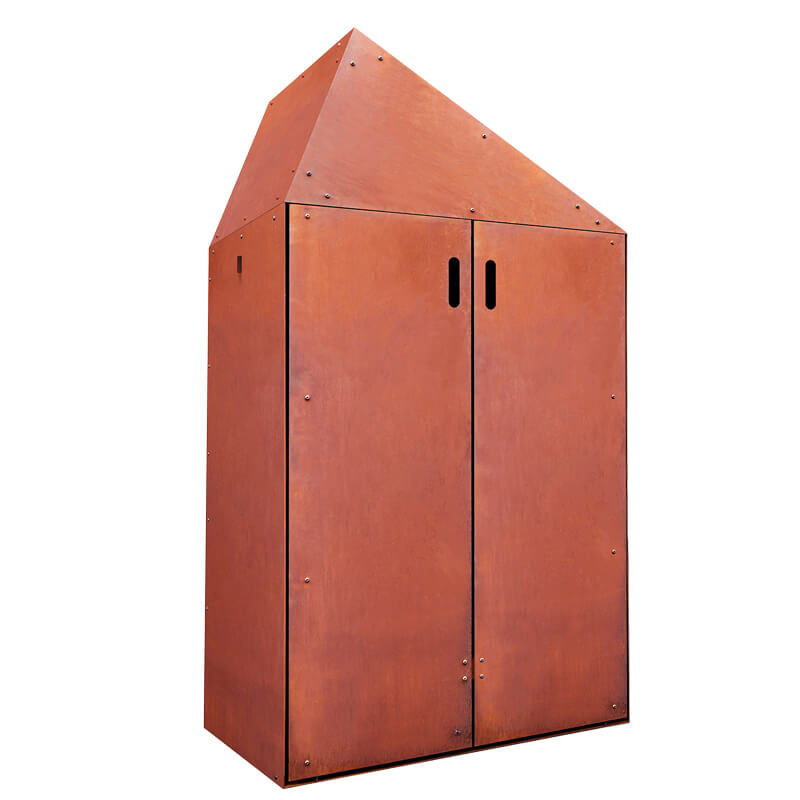
Enclosed Modules (Doors + Back + Roof Plates)

Add doors, and the module transforms into something completely different:

  • Includes doors, rear panel, and roof cover plates
  • Perfect for tools, accessories, kindling, or bin storage
  • Clean, minimal look (and hides the mess nicely)


Important reality check:
You can store firewood behind doors… but airflow is reduced. So unless you enjoy lighting damp logs, best keep your main fuel supply in open sections.

If you like your outdoor setup to actually fit your space (rather than forcing your space to fit the product), the Sheddak is exactly that kind of system. It’s not just a logstore—it’s a modular setup you can scale, tweak, and adapt depending on how you store wood… or what else you want to hide from view.

Configuration Options

(1–3 Modules… and Beyond)


1 Module (Standalone Unit)

  • Available only with doors
  • Works as a compact storage unit rather than a logstore
  • Ideal for smaller spaces or as an add-on


2 Modules (The Sweet Spot)

This is where it starts getting interesting:

  • Both open → pure firewood storage
  • Both enclosed → clean storage wall
  • One open + one closed → best of both worlds


This mixed setup is probably the most practical – Logs on one side, tools hidden on the other. Job done.


3 Modules (Full Setup)

For larger spaces or serious wood burners:

  • Fully open → maximum log capacity
  • Mixed → storage + logs
  • Fully enclosed → more of a storage wall than a logstore


And yes—you can keep going beyond 3 modules if you want. At that point, you’re basically building a feature wall… which, to be fair, looks pretty good in corten.

Are you building a logstore… or an outdoor feature wall that just happens to store logs?
Because the Sheddak quietly does both.

Practical Setup Ideas

  • Log burner user: 2–3 open modules
  • Neat freak (no judgement): 1 closed + 1 open
  • Outdoor kitchen setup: Closed unit for tools + open for fuel
  • Big garden / big fire user: 3+ modules, mostly open

The Signature Roof Design

Each module has that factory-style roof profile:

  • One short, steep side
  • One long, shallow side


You can flip the orientation either way:

  • Align them uniformly for a clean look
  • Alternate them for a more architectural, zig-zag style


It’s a small detail, but it’s what stops this looking like “just another logstore.”

Final Thoughts

The Sheddak isn’t complicated—but it is flexible, which is exactly the point.

You’re choosing:

  • How many modules
  • Open vs closed
  • Roof orientation
  • Future expansion


And that’s what makes it work long-term. You’re not locked into one layout—you’re building something that can evolve with your space.

Related Posts

How to Replace Glass in an RB73 Stove

Replacing glass in an RB73 stove depends on the model and location: door glass is removed using pop-out clips, while side and rear panels (on certain models) lift out or are unbolted first. In all cases, the new glass must sit perfectly flat with no wobble—there are no rope seals or tightening involved.

Read More
0