RB73 Heat Shields Explained: Safety Distances for Outdoor Woodburners

Why Safety Distances Matter More Than You Think

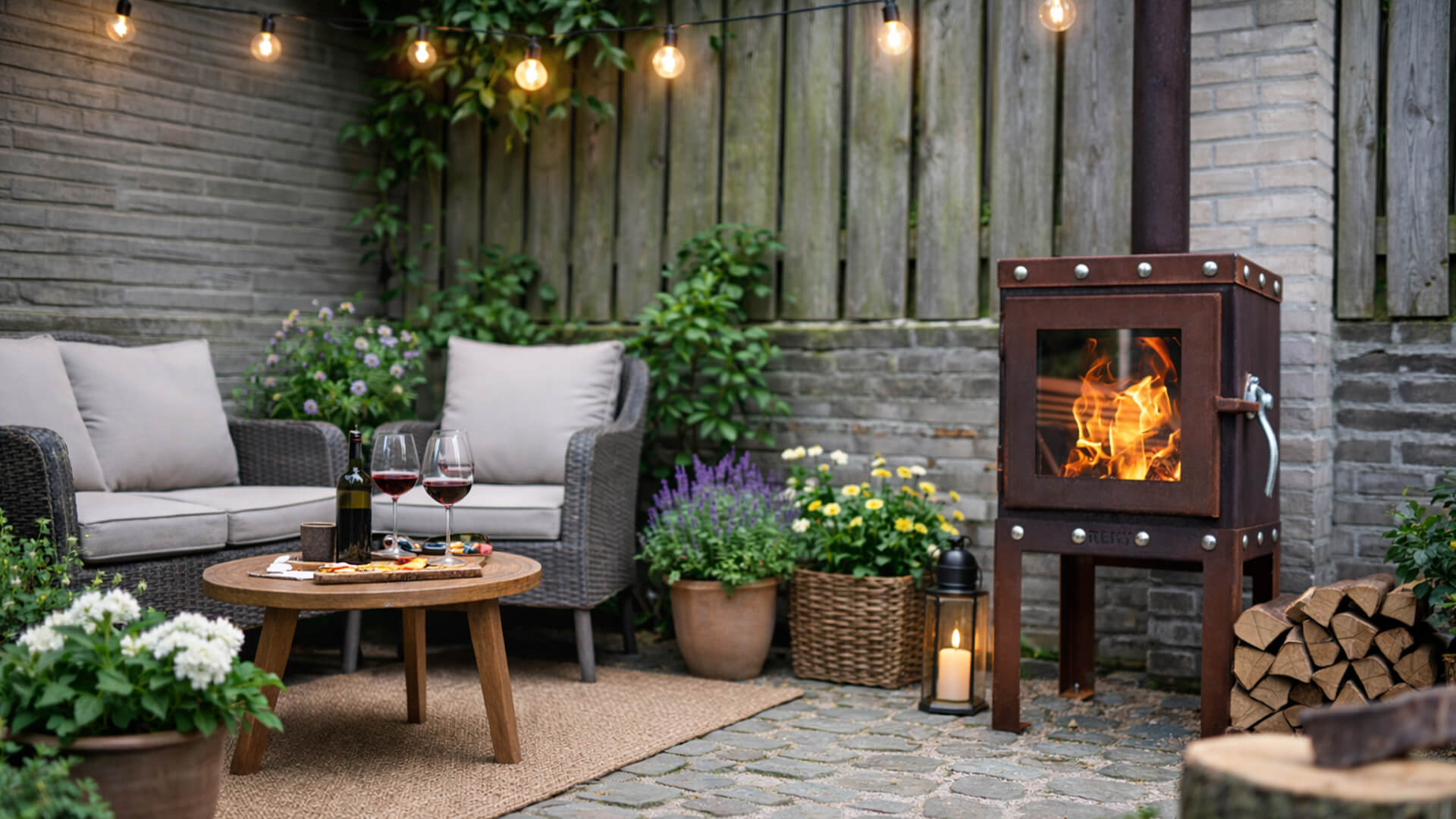
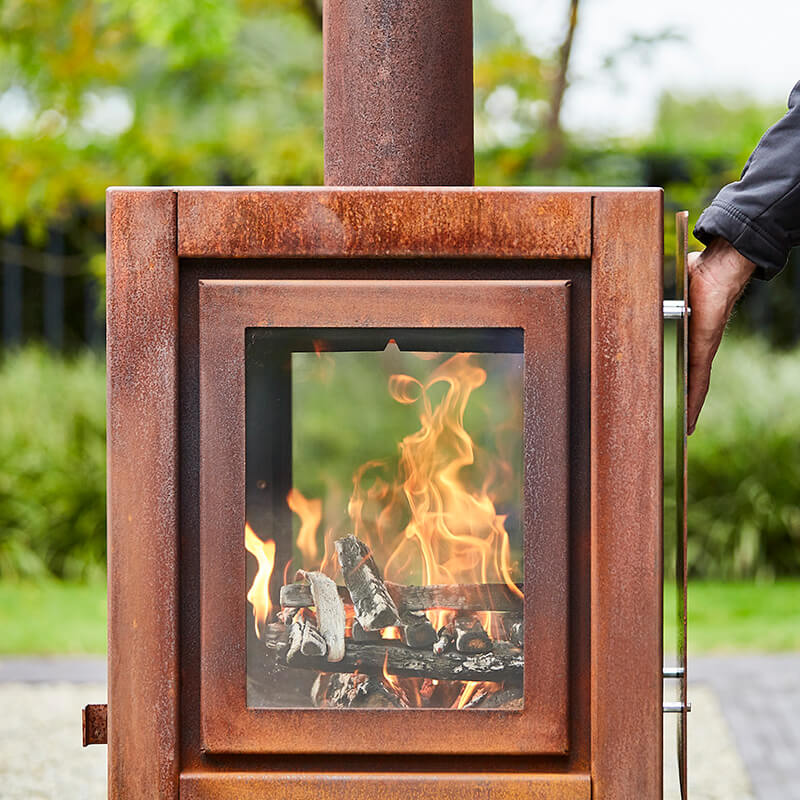
Outdoor woodburners throw out serious heat—especially through the glass. It’s not just about flames, it’s about radiant heat transfer, which will happily cook anything nearby long before it actually catches fire.

That’s why clearances aren’t just a suggestion—they’re what stop your fence, wall, or carefully built garden setup from becoming part of the fire.
Standard Distance for 4-Sided Models

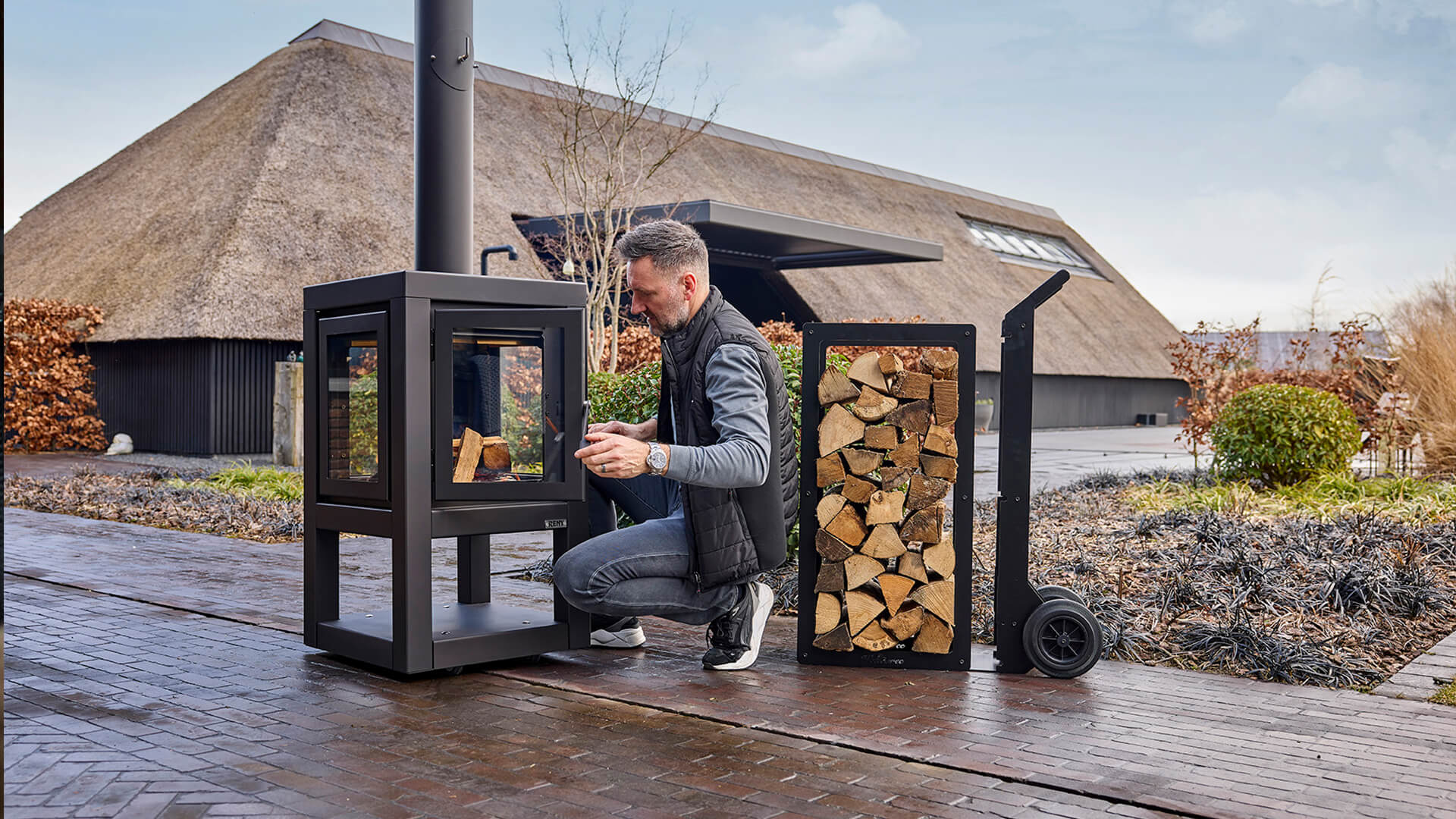
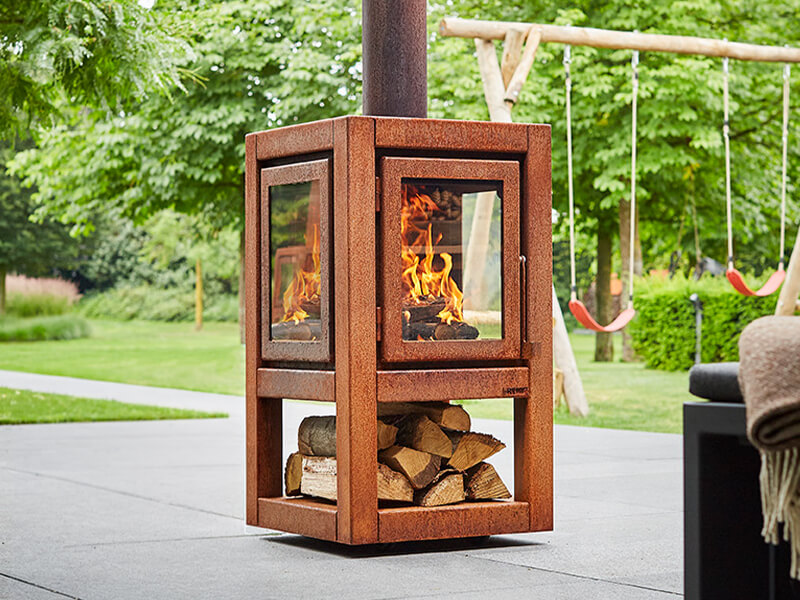
If you’ve got a 4-sided model (glass on all sides), the rule is simple:

Keep it 1 metre away from anything

  • Combustible (wooden fencing or panelling, and furniture)
  • Non-combustible (brick walls, rendered surfaces)


Why? Because heat is radiating in every direction. There’s no “safe side” here.

Having said that most of our fires contain concrete base bricks, which means the floor does not get too hot allowing it to be installed on wooden decking without issue from heat.

3-Sided Models: A Smarter Setup

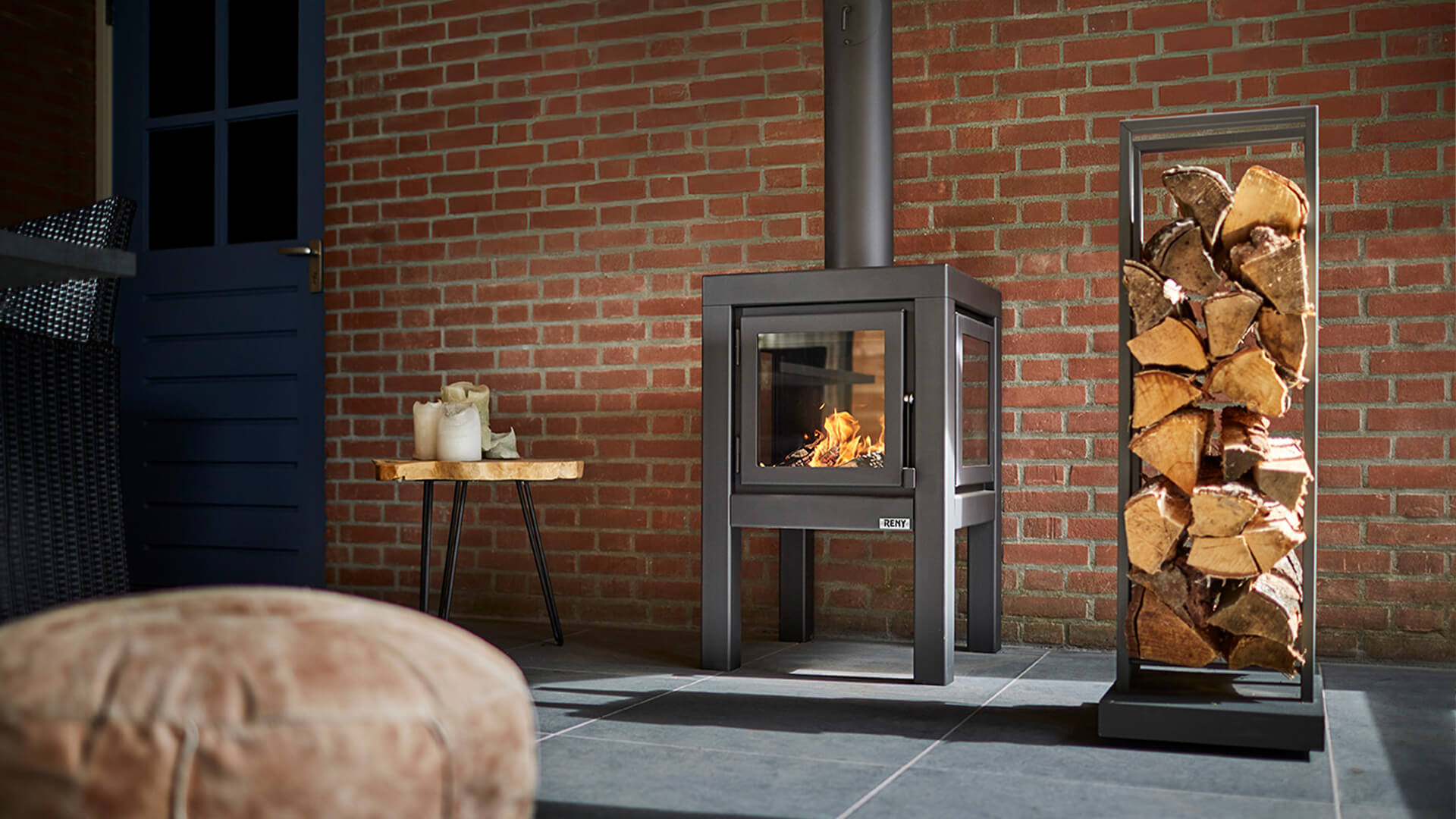
Switch to a 3-sided model with a solid panel + firebrick, and things get more flexible.

On the solid panel side:

  • Minimum distance reduces to 50cm


Why the difference?
That rear panel isn’t just metal—it’s backed by internal concrete firebrick, which reduces heat transfer out of that side, and instead allows more of the heat to be felt from the remaining glass sides.

Translation:
Less heat blasting directly backwards = more placement options.

RB73 outdoor woodburners with glass panels should typically be positioned 1 metre away from combustible materials. However, this can be significantly reduced depending on the model and configuration, to as low as 10cm.

Heat Shields: The Game Changer

Now this is where things get interesting.

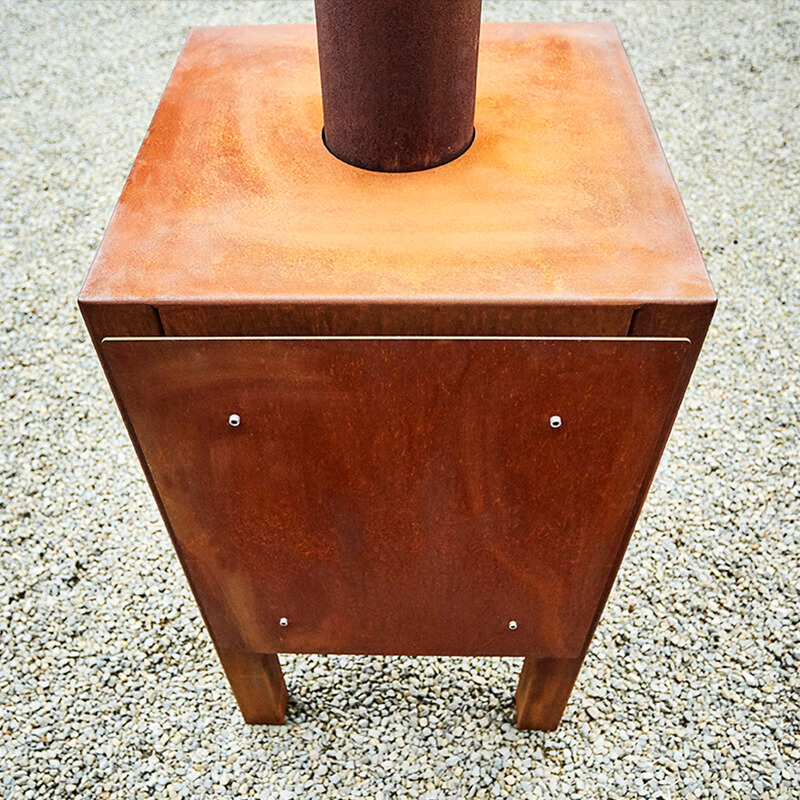
Adding a heat shield to the solid panel dramatically reduces the heat coming out the back. With a heat shield fitted:

  • 10cm from combustible surfaces
  • 5cm from non-combustible surfaces


That’s the difference between:

  • “This needs its own postcode”
    and
  • “Yeah, that can sit neatly by the wall.”


The shield works by creating an air gap, which disrupts heat transfer and allows heat to dissipate rather than pass straight through.

This setup is available only on the 3-sided versions of our:

  • Quaruba L, XL & XXL
  • Fennek 50 & 80
  • Quercus


And yes—installation is straightforward, mounted using spacers onto the rear panel with four allen key bolts.

Note: our heat shields are designed specifically to work with our concrete backstones in order to maintain these lower distances. All 3-sided fires sold by us include these back bricks as standard.

Models Without Heat Shield Options

Some models keep things simple—and that means sticking with larger clearances.

Piquia & Bijuga:

  • 1 metre in front of the glass
  • 60cm on solid metal sides
  • No internal firebrick options
  • No heat shield options


These designs don’t include the same rear shielding system, so they rely purely on distance for safety.

Choosing the Right Setup for Your Space

Here’s the reality:

  • Got loads of space? → 4-sided looks great, no compromises
  • Want it near a wall or fence? → 3-sided + heat shield is the move
  • Tight patio? → Heat shield becomes essential


It’s less about the stove… and more about how you want to use your space.

If you could place your stove just 10cm from a wall instead of 1 metre… would it completely change your garden layout?

Common Mistakes to Avoid

  • Assuming “non-combustible” means “no clearance needed”
  • Placing glass sides too close to seating or fencing
  • Ignoring rear heat on non-shielded models
  • Treating all outdoor fires the same (they’re not)

Final Thoughts

RB73 stoves are designed to give you flexibility—but only if you understand how to use it.

Heat shields aren’t just about safety (although, obviously, that matters).
They’re about unlocking placement options that wouldn’t otherwise be possible.

Related Posts

How to Replace Glass in an RB73 Stove

Replacing glass in an RB73 stove depends on the model and location: door glass is removed using pop-out clips, while side and rear panels (on certain models) lift out or are unbolted first. In all cases, the new glass must sit perfectly flat with no wobble—there are no rope seals or tightening involved.

Read More

How Do Logstores Keep Firewood Dry?

A well-designed logstore keeps firewood dry by allowing constant airflow while protecting it from direct rain. Raised bases, slatted sides, and angled roofs work together to let moisture escape and prevent water from soaking in.

Read More
0