How to Choose the Right Outdoor Woodburner

Not all outdoor woodburners are the same. At a glance, they can look very similar — a steel body, a chimney, and a fire inside. But once you start looking closer, the differences in size, shape, and placement can have a big impact on how they actually work in your garden.

This is where most people get stuck.

Do you go large or compact?
Should it sit in the centre or against a wall?
Will it actually work in your space?

This guide breaks it down simply, so you can choose a model that fits your layout and how you plan to use it.
Start with Your Space

Before looking at specific models, start with the most important factor — your garden layout.

Ask yourself:

  • How much space do you realistically have?
  • Is your seating area compact or open?
  • Will the stove sit centrally, or against a wall or boundary?


In smaller gardens or patios, a compact or mid-sized stove usually works best. In larger, open spaces, a bigger model can help anchor the area and create a stronger focal point.

Wind exposure also plays a role. More sheltered spaces tend to make better use of the heat, while open areas may benefit from a larger unit.


Choosing the Right Size

Outdoor woodburners come in a range of sizes, and it’s not just about appearance — it directly affects how the stove performs.

Compact Models – Best suited to:

  • Smaller patios
  • Courtyard-style gardens
  • Tighter seating areas


They provide a noticeable heat source without overwhelming the space.

The key is to match the stove to the space — not the other way around.

Choosing the right outdoor woodburner comes down to three things: your available space, where you plan to position it, and how you want to use it. Size affects heat output and presence, while style and placement determine how well it integrates into your garden.

Mid-Size Models

The most versatile option for typical UK gardens.

They offer:

  • A strong visual presence
  • Consistent heat output
  • Flexibility in placement


For most homeowners, this is the “safe” choice that works in a wide range of layouts.


Large / XXL Models

Designed for:

  • Open garden spaces
  • Larger seating areas
  • Feature-led layouts


These create a more dramatic focal point and are often used as a central element in garden design.

Choosing the Right Style

Style isn’t just about how it looks — it affects how the stove fits into your layout.

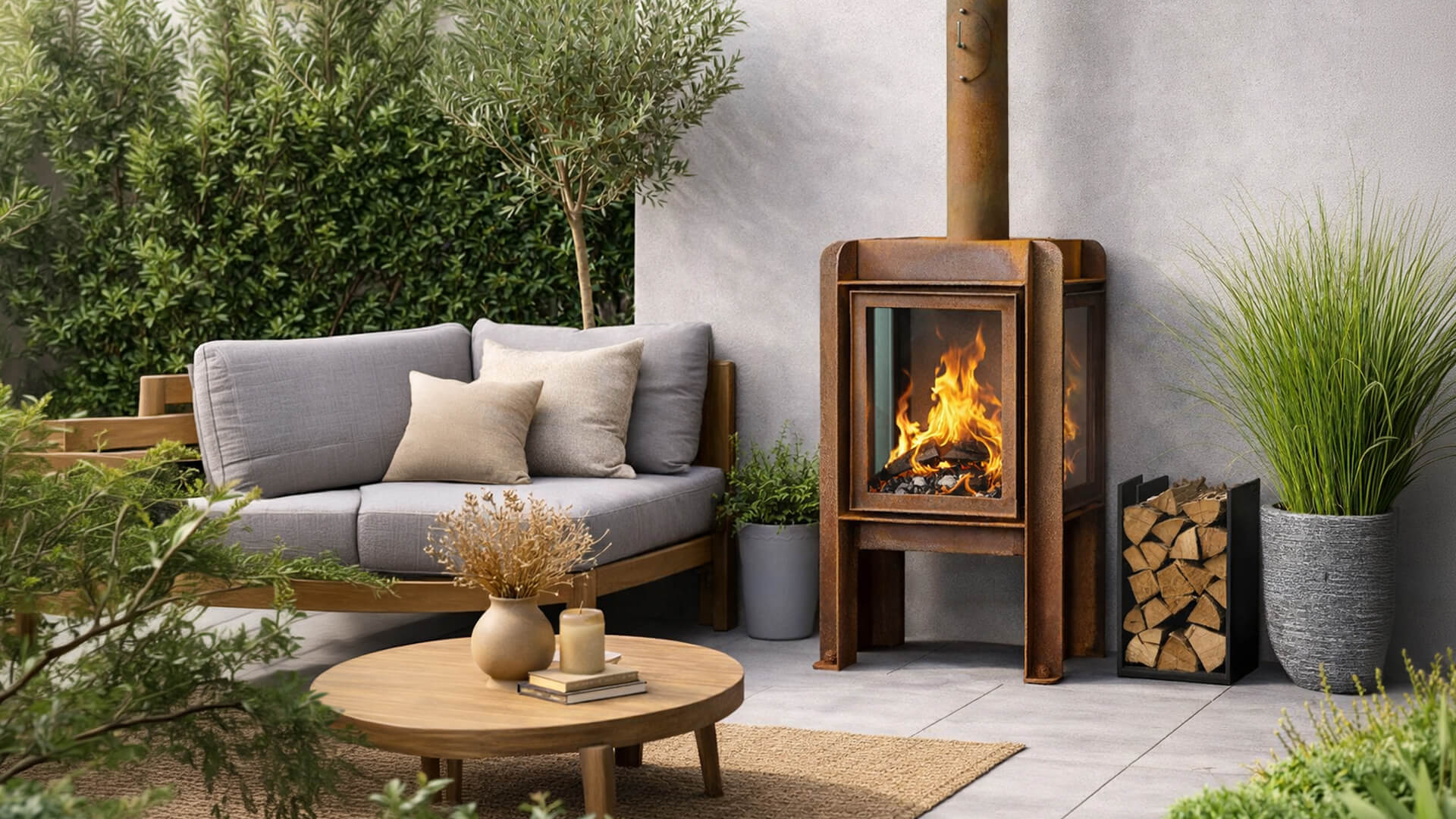
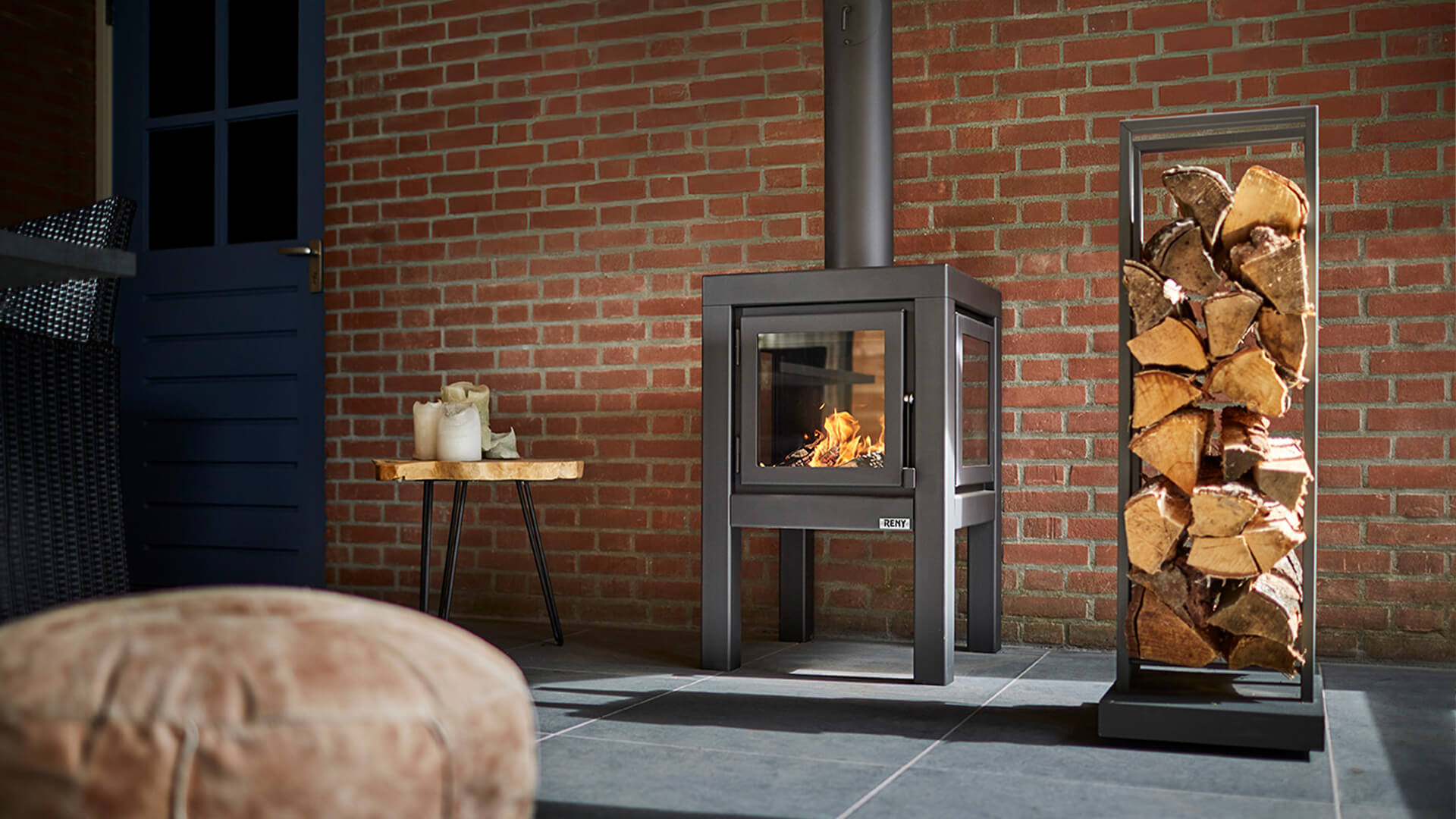
3-Sided Models

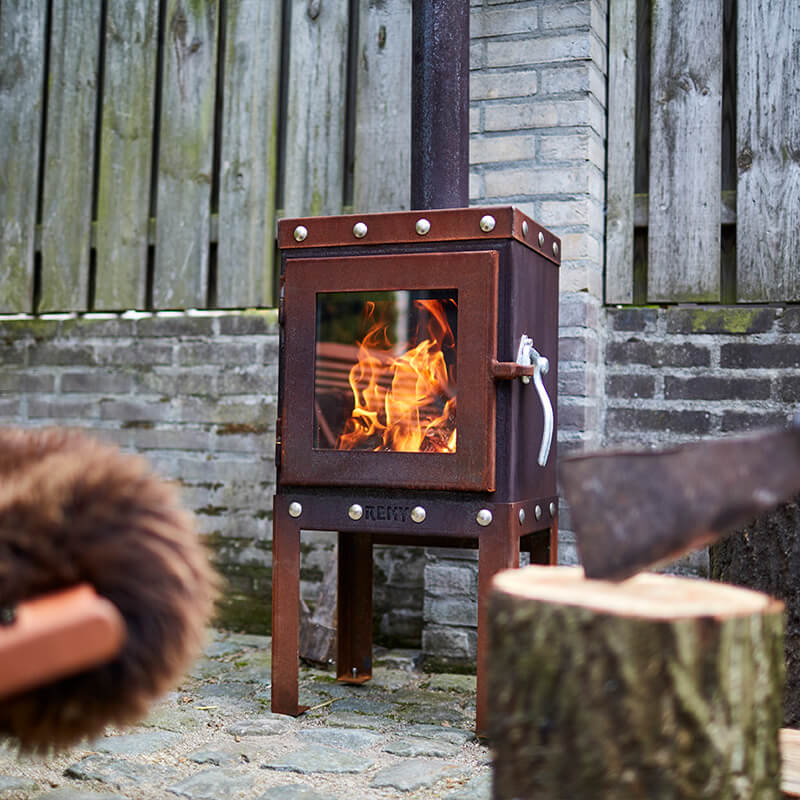
  • Typically positioned against a wall or boundary
  • Solid back panel helps direct heat forward
  • Ideal for patios or enclosed spaces

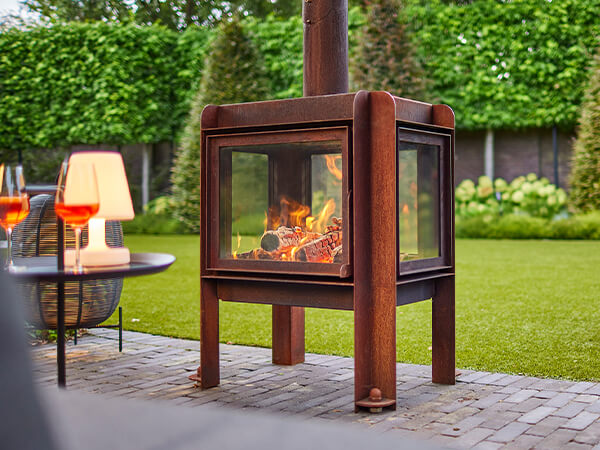
4-Sided Models

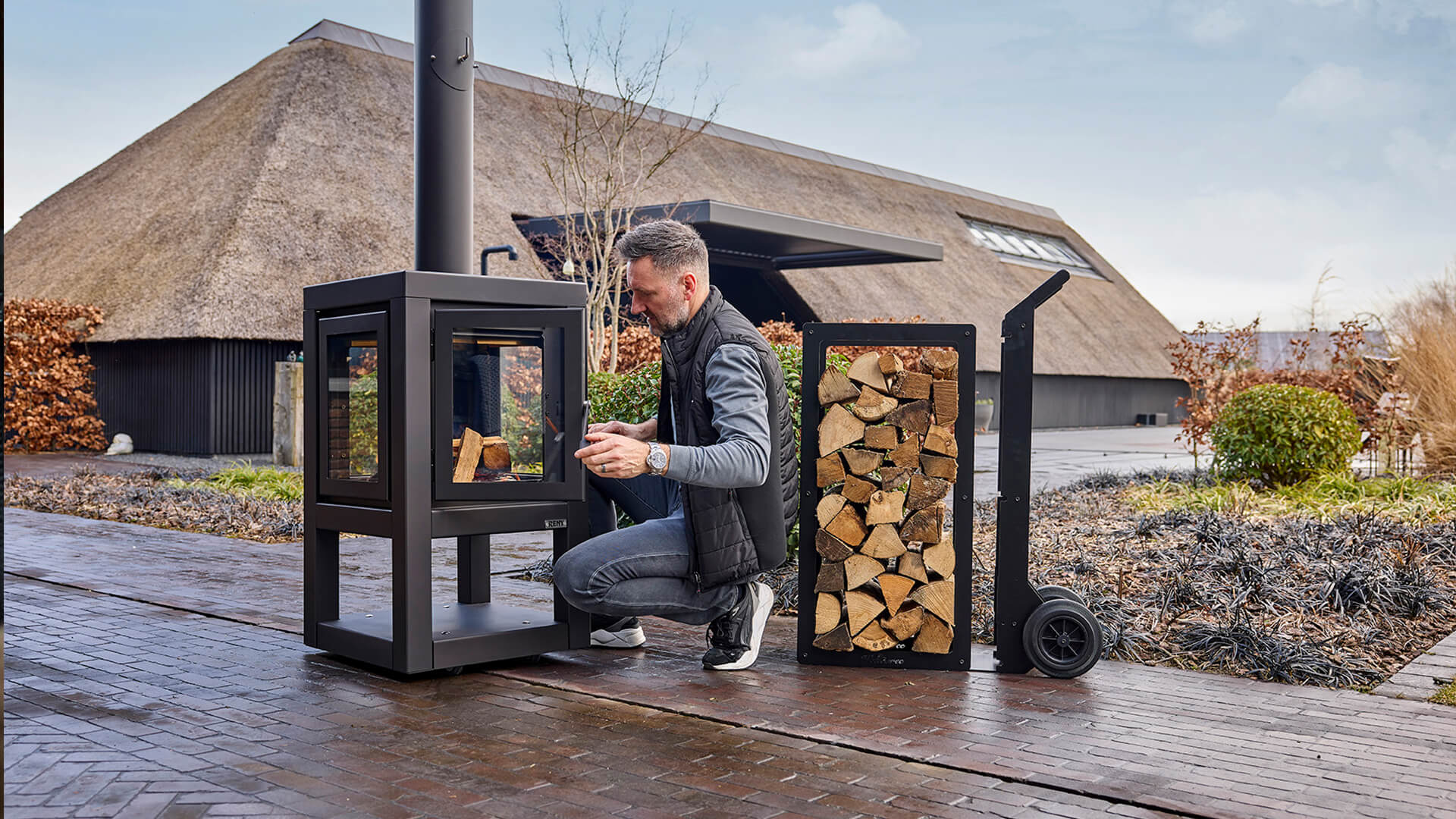
  • Designed to be placed centrally
  • Fire visible from all angles
  • Works well as a standalone feature


This choice often comes down to placement rather than preference — which leads to the next point.

Placement Matters More Than You Think

Where you position your outdoor woodburner has a huge impact on how it performs.

A few key things to consider:

  • Distance from seating – close enough to feel the heat, but with comfortable spacing
  • Nearby walls or fences – check clearances and consider heat shields where needed
  • Wind direction – positioning can help minimise smoke impact
  • Flow of the space – avoid blocking movement or sightlines


In most cases, the stove becomes a fixed feature — something the rest of the space is designed around.

In simple terms: choose a size that fits your space comfortably — not one that dominates it or disappears into it.

Common Mistakes to Avoid

This is where a lot of people go wrong — and it’s usually easy to fix upfront.


Choosing a model that’s too small

It can get lost visually and struggle to heat the space effectively.


Treating it like a movable fire pit

Outdoor woodburners are designed to be positioned properly and left in place.


Ignoring placement early on

Trying to “fit it in later” often leads to awkward layouts.


Focusing only on looks

Design matters, but function and placement matter more.

FAQs

What size outdoor woodburner do I need?

It depends on your space. Smaller patios suit compact models, while larger gardens benefit from mid-size or larger stoves.


Can I place an outdoor woodburner near a fence?

Yes, but you’ll need to follow clearance guidelines. Some models can be placed closer with the use of a heat shield.


Should it be placed in the centre or against a wall?

That depends on the model. 4-sided designs work best centrally, while 3-sided models are ideal for wall placement.


Do larger woodburners produce more heat?

Generally, yes — but they also need more space to work effectively.

Think About How You’ll Use It

It’s easy to focus on size and placement, but how you plan to use the stove matters just as much.

For example:

  • Relaxed evenings → a compact or mid-size model in a sheltered seating area
  • Entertaining guests → larger models that anchor a social space
  • Outdoor cooking setups → positioning near prep or dining areas


Thinking about usage helps avoid choosing a model that looks right but doesn’t quite fit how you live.

Final Thoughts

Choosing the right outdoor woodburner isn’t about picking the biggest or most striking model — it’s about finding the one that fits your space, your layout, and how you plan to use it.

Get those three things right, and it becomes more than just a fire — it becomes part of how your garden works.


Explore Outdoor Woodburners

If you’re ready to find the right model for your space, explore our range of RB73 outdoor woodburners to see how different sizes and styles can fit into your garden.

Related Posts

How to Replace Glass in an RB73 Stove

Replacing glass in an RB73 stove depends on the model and location: door glass is removed using pop-out clips, while side and rear panels (on certain models) lift out or are unbolted first. In all cases, the new glass must sit perfectly flat with no wobble—there are no rope seals or tightening involved.

Read More
0