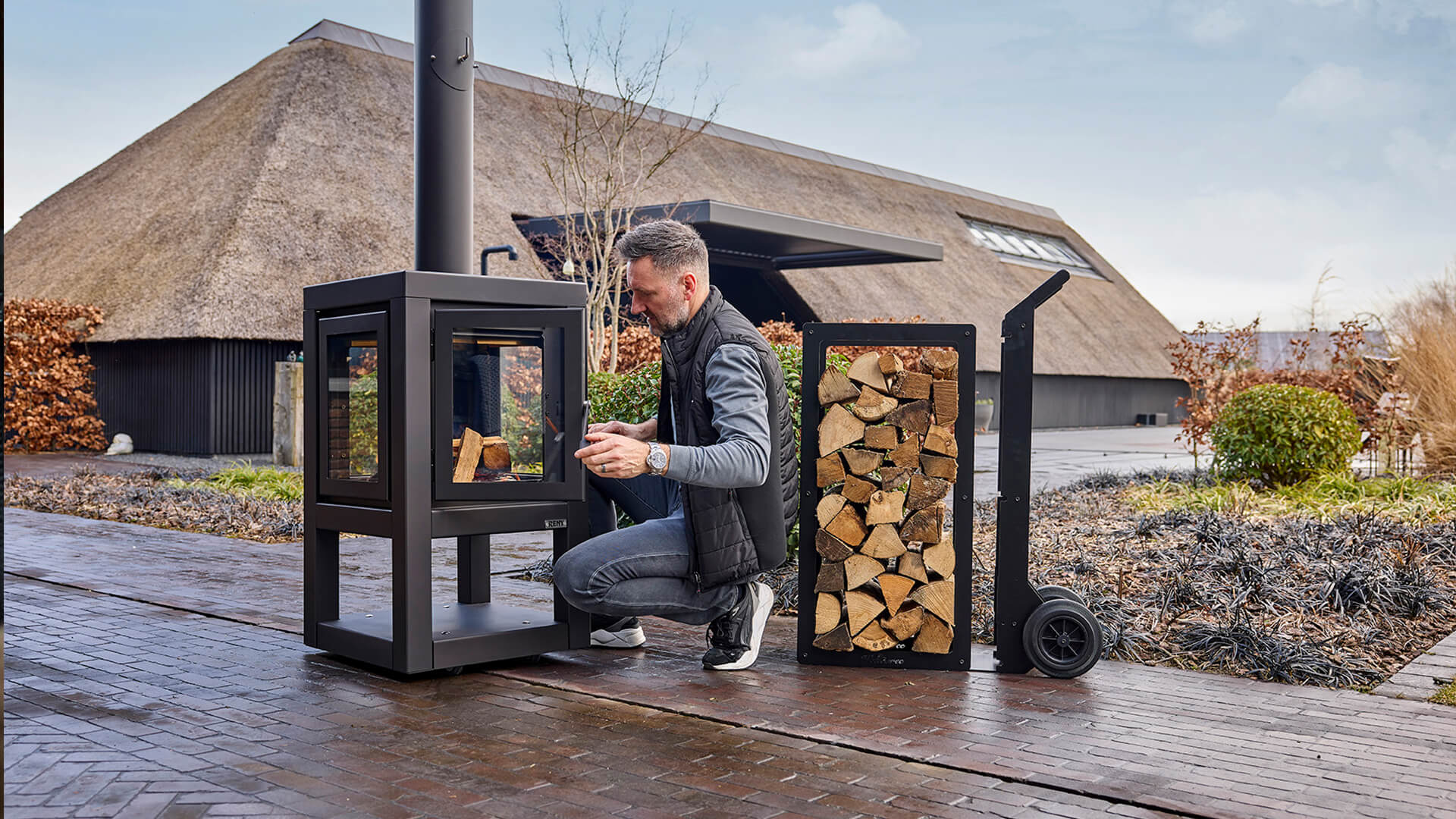
How Do Logstores Keep Firewood Dry?

Why Keeping Firewood Dry Matters

Burning wet wood is like trying to light a damp sponge—it technically works, but you’ll regret it pretty quickly. Wet logs produce more smoke, less heat, and can leave behind unwanted residue.

Properly stored, dry firewood:

  • Burns hotter and more efficiently
  • Produces less smoke and smell
  • Is easier to light and maintain
  • Protects your appliance from excess soot build-up


So yes, a logstore isn’t just “nice to have”—it’s doing real work behind the scenes.
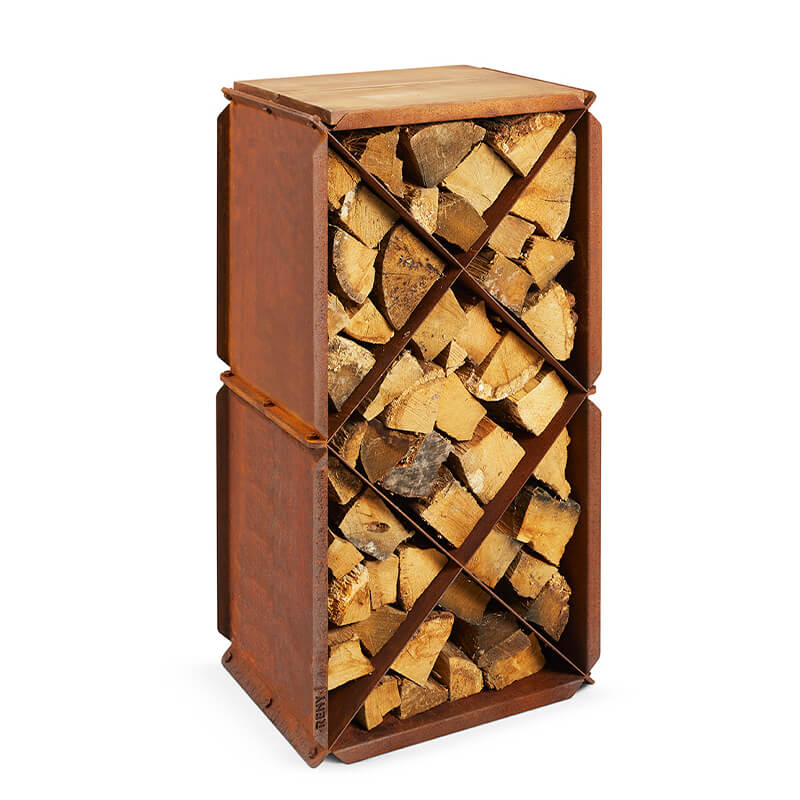
The Key Principles of a Good Logstore

A proper logstore doesn’t just “cover” wood. It manages moisture.

1. Airflow Is Everything

Logs don’t dry because they’re hidden away—they dry because air moves around them.

Open-sided or slatted designs allow:

  • Moisture to escape naturally
  • Air to circulate through stacked logs
  • Faster seasoning times


Trap the air, and you trap the moisture. Simple as that.


2. Protection From Direct Rain

Keeping rain off the top of your logs is half the battle.

A good logstore roof:

  • Deflects water away from the stack
  • Prevents pooling or dripping through
  • Often features an angled or directional design


It’s not about sealing the logs in—it’s about shielding them from the worst of the weather.

3. Raised Off the Ground

Ground contact is where moisture creeps in quietly and ruins everything.

A raised base:

  • Stops water absorption from below
  • Allows airflow underneath the logs
  • Keeps the bottom layer from rotting


If your logs are sitting directly on a patio or soil, they’re basically drinking from it.


4. Smart Orientation

This is the underrated one. Where you place your logstore matters:

  • Leave a gap behind it (don’t squash it against a wall)
  • Position it to catch natural wind where possible
  • Avoid fully enclosed corners with no airflow


Think breezy, not boxed in.

A well-designed logstore keeps firewood dry by allowing constant airflow while protecting it from direct rain. Raised bases, slatted sides, and angled roofs work together to let moisture escape and prevent water from soaking in.

Open vs Enclosed Logstore Modules

This is where modular systems come into their own.

Open Modules

Best for:

  • Actively drying or seasoning wood
  • Maximum airflow


These are your “working” sections—logs go in wet and come out ready to burn.

Enclosed Modules (With Doors)

Best for:

  • Keeping already-seasoned wood dry
  • Protecting logs from prolonged rain


Important: enclosed doesn’t mean airtight. Good designs still allow subtle airflow while offering more protection.

What Makes RB73 Logstores Different?

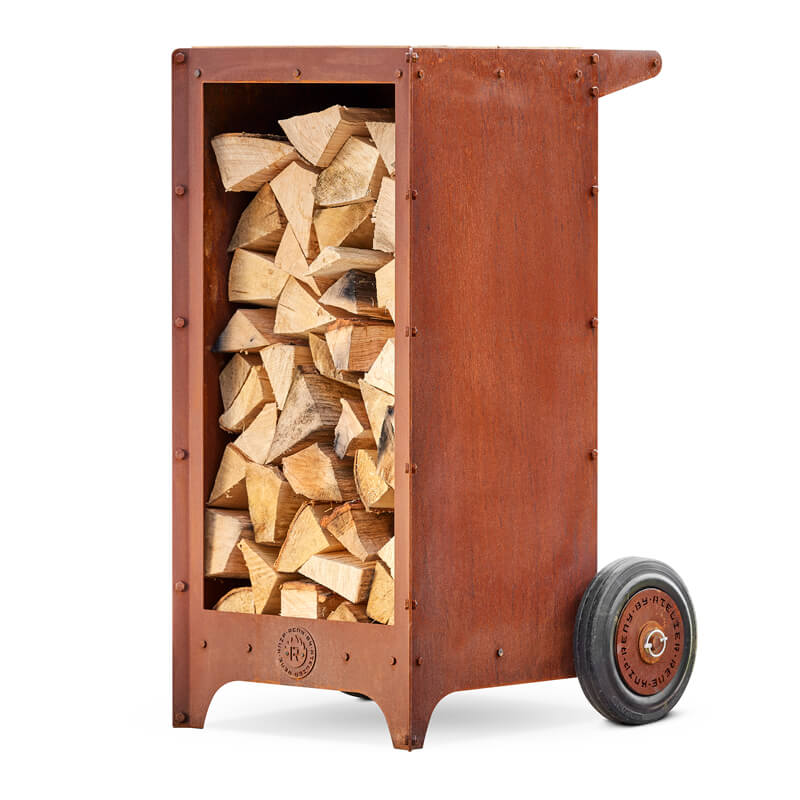
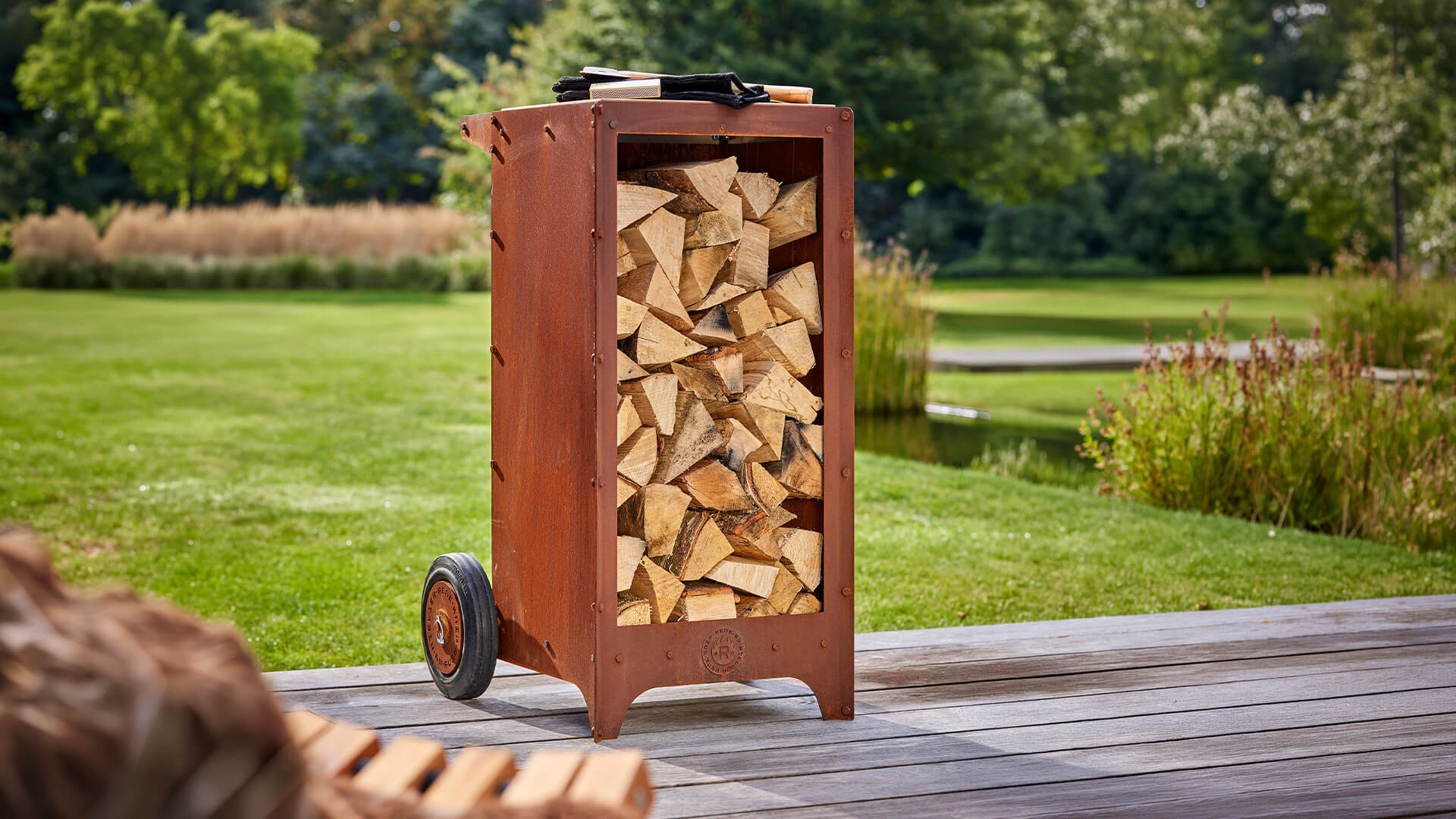
RB73 logstores are designed with all of this in mind—not just to store wood, but to actively improve it.

Key features:

  • Raised base plates to keep logs off the ground
  • Open and enclosed modular options
  • Thoughtful airflow design across all units
  • Durable materials like corten steel for long-term outdoor use
  • Configurable layouts to suit your space and usage


In short—they don’t just hold logs, they help condition them.

Airflow dries wood, not just a roof—so is your setup doing both, or only half the job?

Common Mistakes to Avoid

Even the best logstore can be let down by poor setup:

  • Stacking logs too tightly (air can’t move)
  • Covering the sides completely (kills airflow)
  • Placing directly against a wall or fence
  • Storing freshly cut wood in a fully enclosed unit


If your logs feel damp after weeks in storage, something’s blocking airflow.

Final Thoughts

A logstore isn’t just a storage unit—it’s part of the drying process. Get it right, and your firewood improves over time. Get it wrong, and you’re stuck burning damp logs that never quite perform.

The sweet spot?
Airflow + shelter + elevation. That’s the formula.

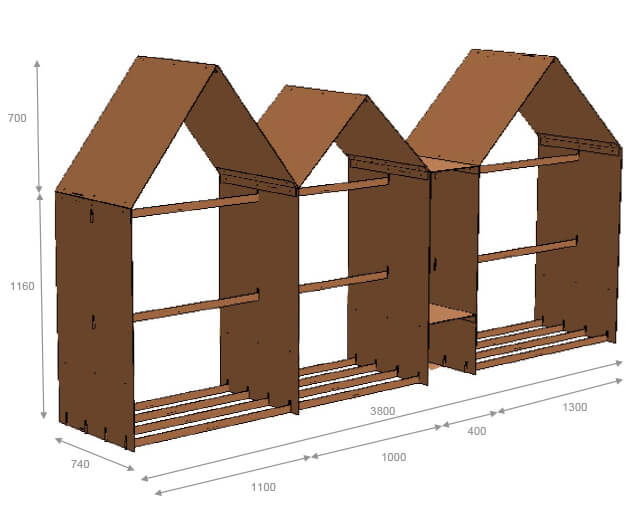
Bruges Logstore Drawing

Related Posts

How to Replace Glass in an RB73 Stove

Replacing glass in an RB73 stove depends on the model and location: door glass is removed using pop-out clips, while side and rear panels (on certain models) lift out or are unbolted first. In all cases, the new glass must sit perfectly flat with no wobble—there are no rope seals or tightening involved.

Read More
0