Firewood Storage Guide: How to Store Logs Properly for Outdoor Woodburners

Why Proper Firewood Storage Matters

If you’re putting good money into a premium outdoor woodburner, then feeding it damp, poorly stored logs is like putting supermarket petrol in a Ferrari.

Wet or badly stored wood:

  • Produces more smoke
  • Burns inefficiently
  • Creates more soot and residue
  • Gives off less heat


Properly stored logs, on the other hand, burn cleaner, hotter, and longer—exactly what your RB73 fire is designed for.
What Happens If You Store Logs Incorrectly?

Let’s not sugar-coat it—most bad firewood setups are doing more harm than good.

Common mistakes include:

  • Stacking logs directly on the ground (hello moisture and rot)
  • Covering wood completely with a tarp (traps moisture instead of drying it)
  • Storing logs in enclosed sheds with no airflow


The result? Logs that look fine on the outside but burn like soggy cardboard.

How Long Should Firewood Be Stored?

Most firewood needs:

  • 6–12 months to properly season (air-dried)
  • Below 20% moisture content for optimal burning

Kiln-dried logs can be used immediately—but even then, storing them correctly ensures they stay dry and ready to burn.

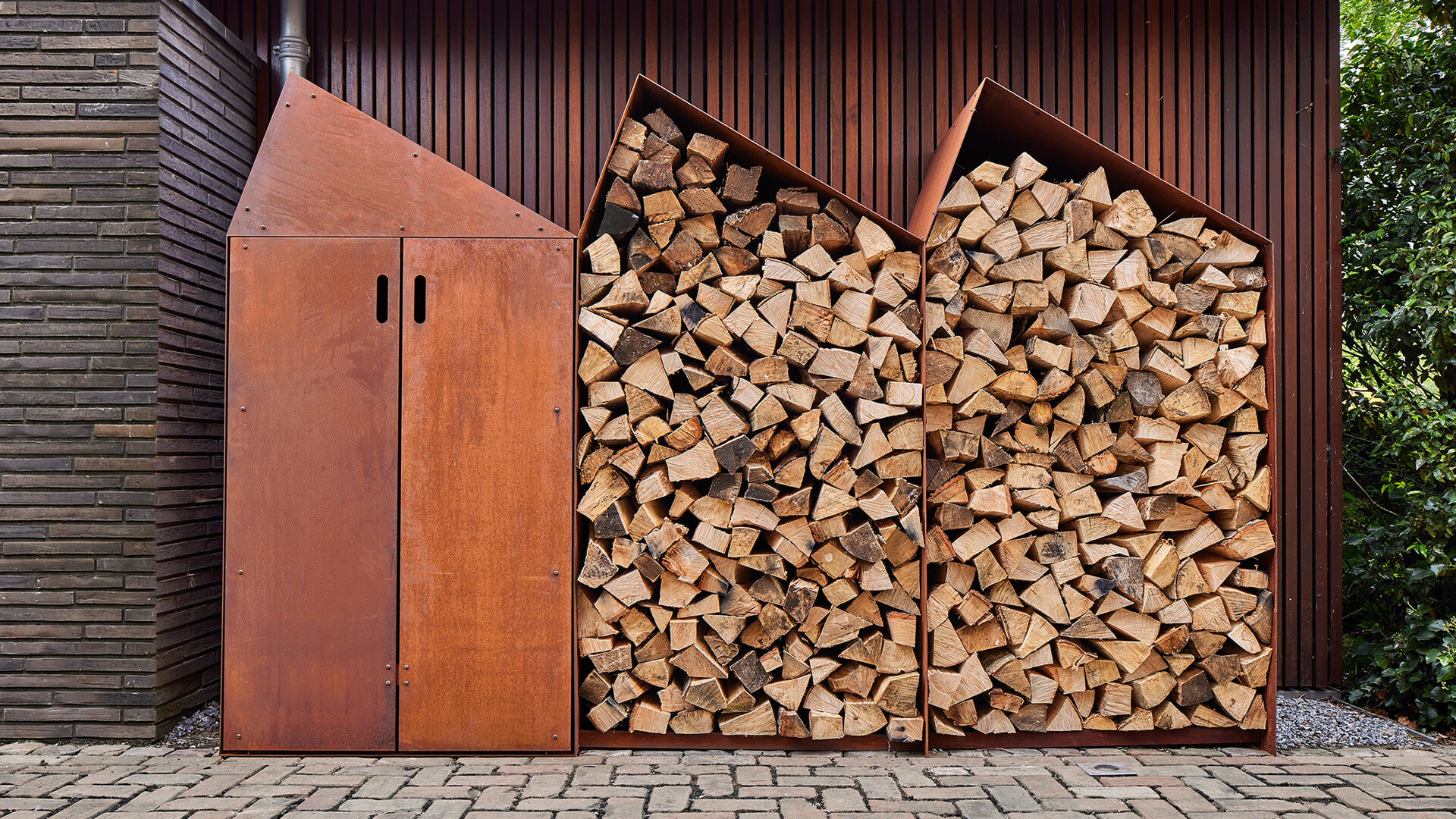
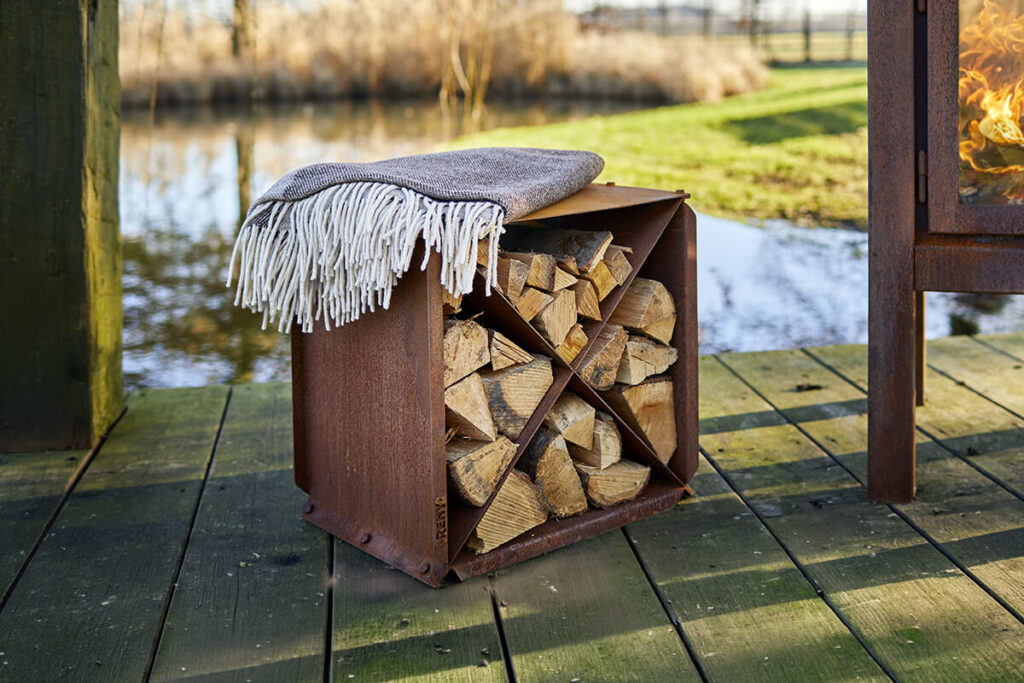
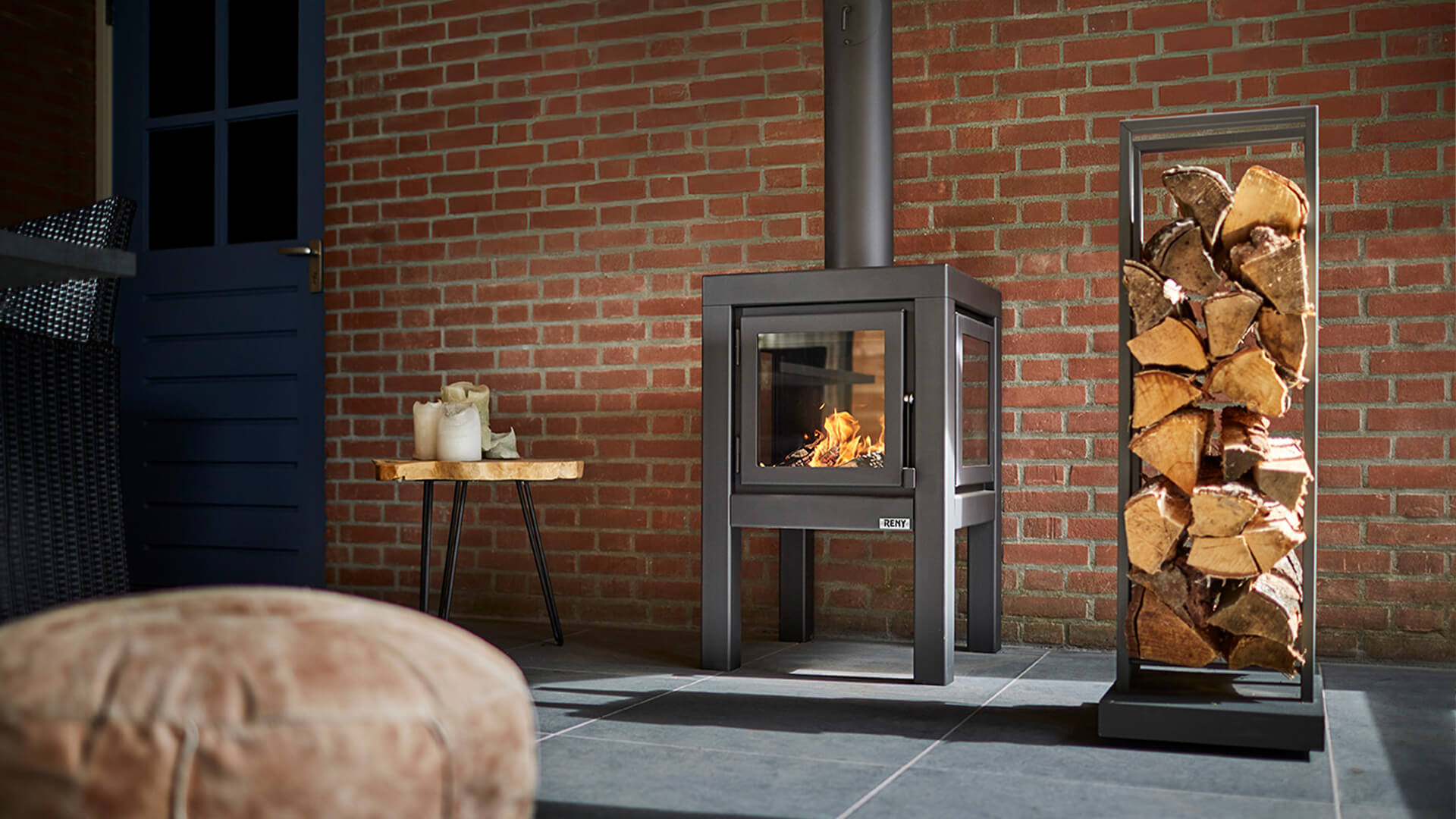
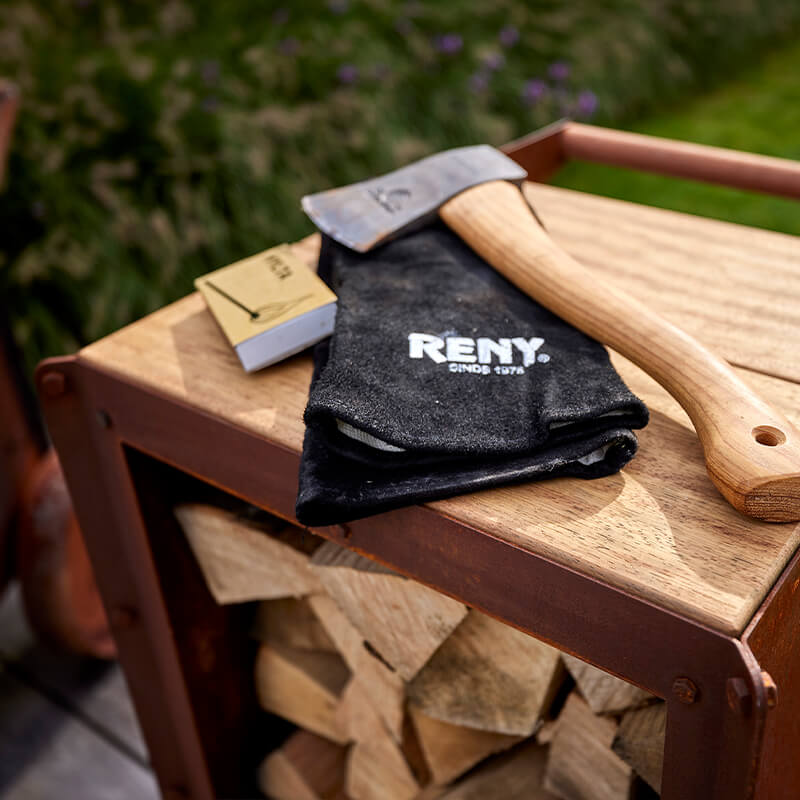
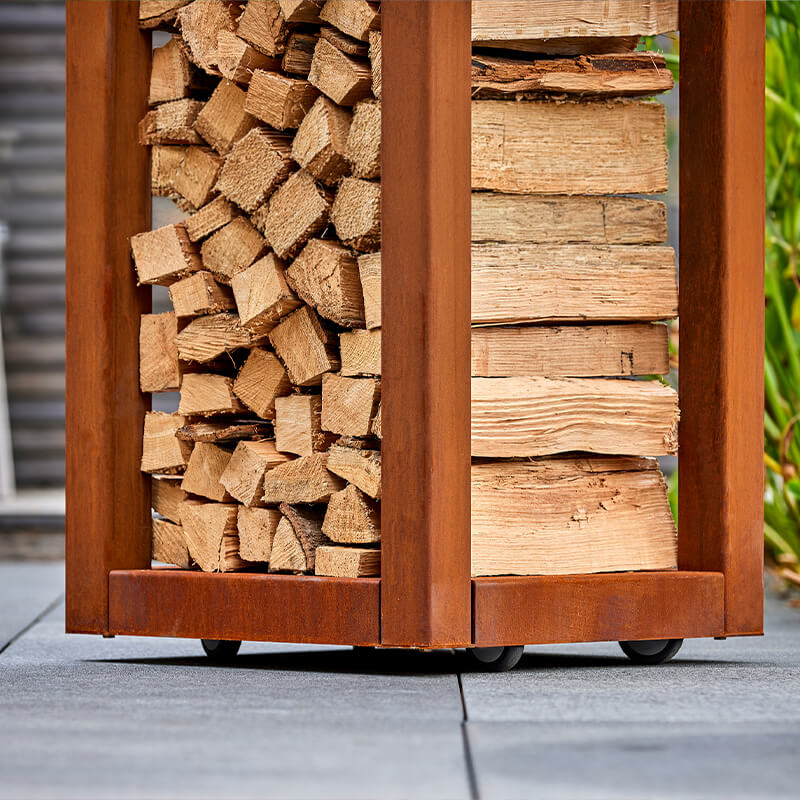
Firewood should be stored off the ground, with plenty of airflow, and protected from direct rain. A well-designed logstore—like those from RB73—keeps wood dry, seasoned, and ready to burn efficiently in your outdoor woodburner.

The Golden Rules of Firewood Storage

1. Keep Logs Off the Ground

Ground moisture will creep into your logs faster than you think. Always raise your firewood using a proper logstore or base.


2. Prioritise Airflow

Logs need to breathe. Open-sided storage allows wind to naturally season your wood over time.


3. Protect from Rain (But Don’t Suffocate It)

A top cover is essential—but fully enclosing logs is a rookie mistake. You want protection from above, not a sweaty log sauna.


4. Stack Neatly

Loose piles might look rustic, but they reduce airflow. A well-stacked pile dries faster and looks far better in your garden.

Why RB73 Logstores Get It Right

RB73 logstores aren’t just somewhere to chuck logs—they’re designed with performance in mind.

Key benefits:

  • Raised base keeps logs off damp ground
  • Open structure maximises airflow for natural seasoning
  • Integrated top cover protects from rain without trapping moisture
  • Heavy-duty steel construction built to last for decades, not seasons


And yes, they also look like they belong next to a premium outdoor fire—not like something rescued from a garden centre clearance aisle.

Where Should You Place Your Logstore?

Placement matters more than people realise.

For best results:

  • Position in a sunny, exposed area
  • Allow wind to pass through freely
  • Avoid tight corners or enclosed spaces
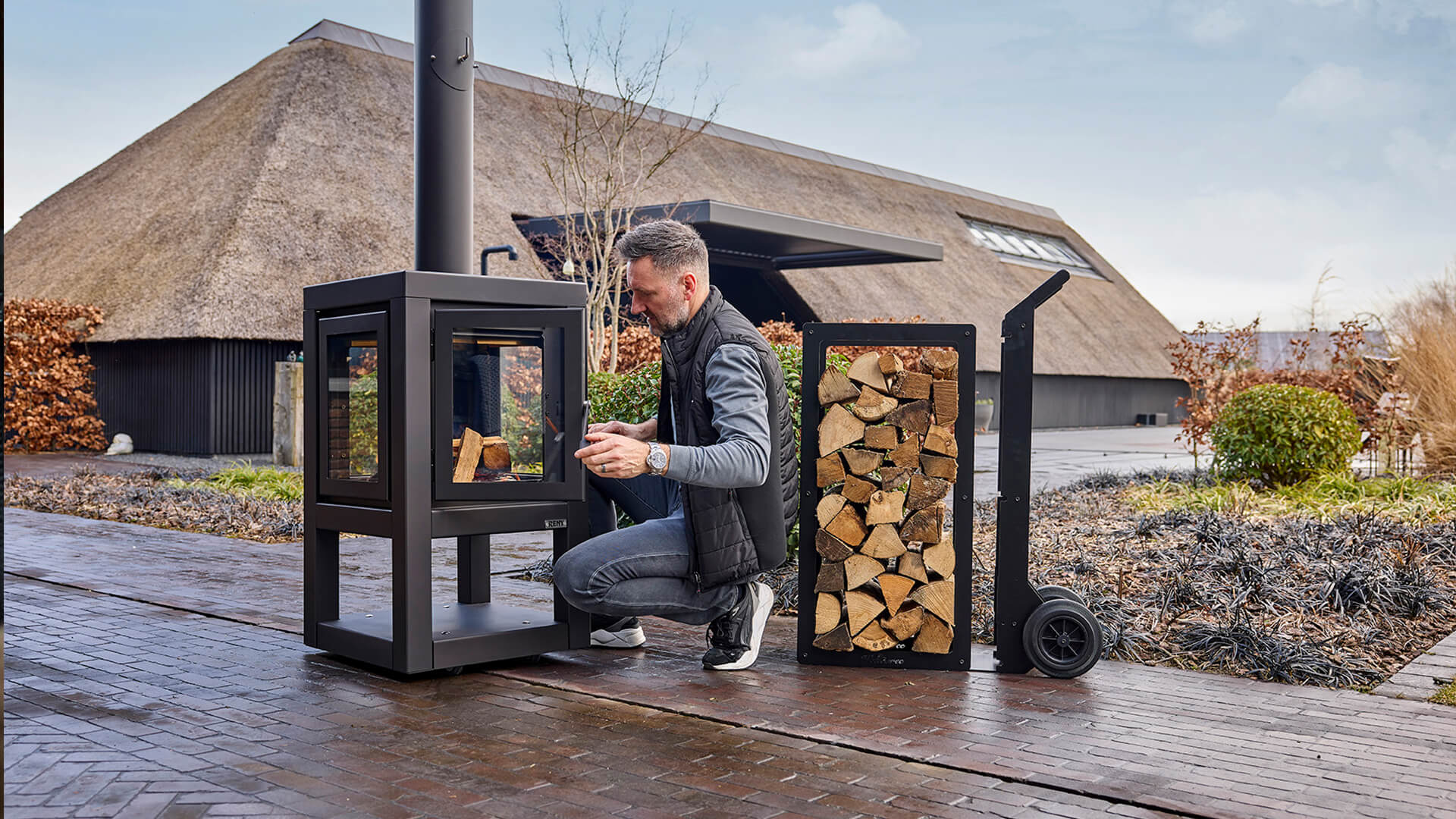
  • Keep within easy reach of your outdoor fire (you’ll thank yourself in winter)


A well-placed logstore will season wood naturally over time, reducing your reliance on kiln-dried logs.

If your logs hiss, smoke excessively, or struggle to stay lit… is the problem really your fire—or how you’ve been storing your wood?

A Quick Word on Materials: Why It Matters

Not all logstores are created equal.

Cheap wooden stores:

  • Rot over time
  • Trap moisture
  • Often sit directly on the ground


Lightweight metal options:

  • Flex, rust, or deteriorate quickly
  • Lack structural integrity


RB73 logstores use heavy-gauge corten steel, designed to:

  • Withstand the elements year-round
  • Develop a protective patina over time
  • Last decades, not just a few winters


It’s the difference between buying once… or buying repeatedly.

Store Better, Burn Better

Firewood storage isn’t the exciting part of owning an outdoor woodburner—but it quietly makes all the difference.

Get it right, and you’ll enjoy:

  • Cleaner burns
  • Better heat output
  • Less smoke
  • Longer-lasting fires


Get it wrong… and you’ll spend your evenings wondering why your “dry” logs won’t light properly.

Related Posts

How to Replace Glass in an RB73 Stove

Replacing glass in an RB73 stove depends on the model and location: door glass is removed using pop-out clips, while side and rear panels (on certain models) lift out or are unbolted first. In all cases, the new glass must sit perfectly flat with no wobble—there are no rope seals or tightening involved.

Read More
0