Can You Put an Outdoor Woodburner Near a Fence or Wall?

One of the most common questions people ask when considering an outdoor woodburner is surprisingly simple:

“Can I actually put this near a fence or wall?”

It’s a fair concern.

Most UK gardens aren’t wide open spaces — they’re enclosed, structured, and often bordered by timber fencing or brick walls. So placement isn’t just about aesthetics… it’s about safety and practicality.

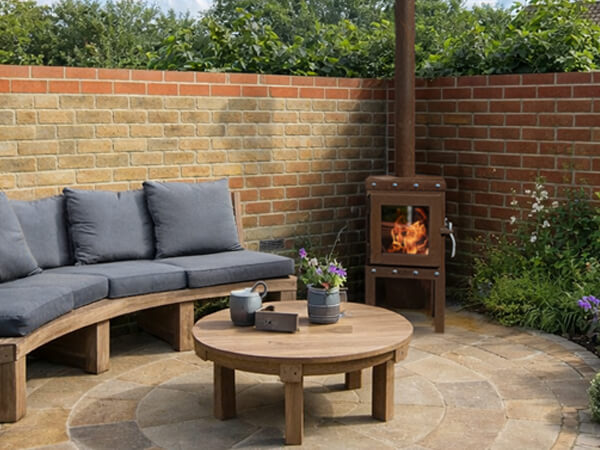
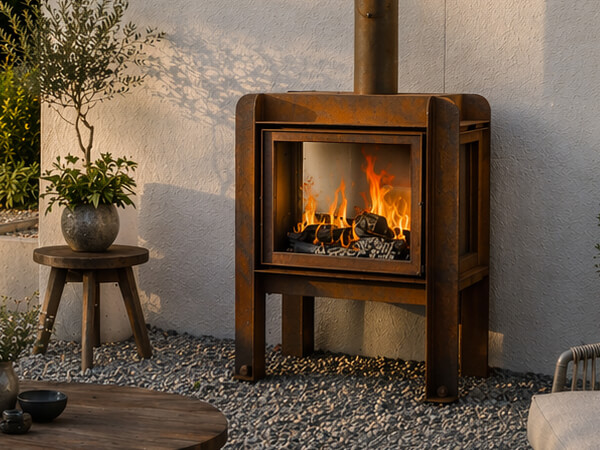
The good news is: Yes, you can place an RB73 outdoor woodburner near a wall or fence — but it depends on the model and the configuration.

This guide explains how it works, what to look for, and how to do it properly.
Why Placement Matters

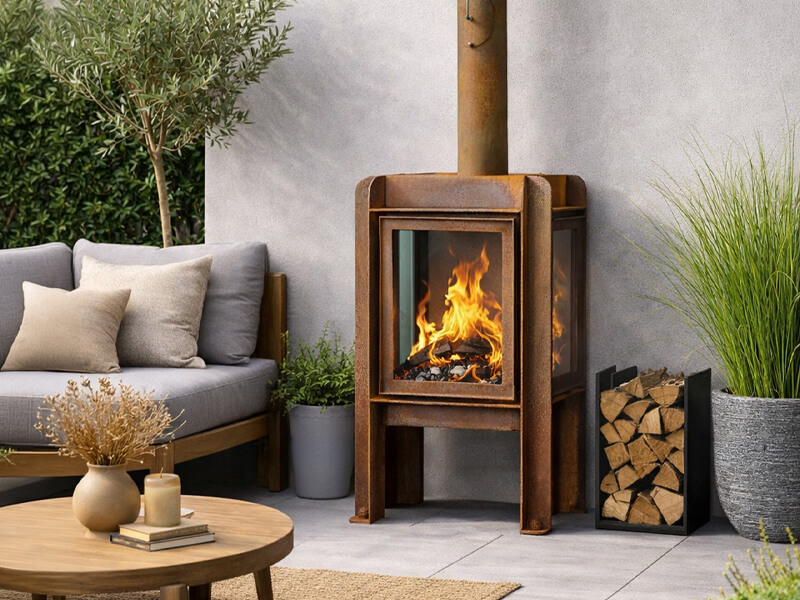
Unlike a fire pit, an outdoor woodburner is a controlled heat source — but it still produces significant heat.

When placed too close to a surface, especially a combustible one like wood fencing, that heat can build up over time.

Key risks to consider:

  • Heat transfer to nearby surfaces
  • Discolouration or damage
  • Long-term safety concerns


This is why placement isn’t guesswork — it needs to be considered properly.

Understanding Clearances

Clearance simply means the minimum safe distance between the stove and surrounding surfaces.

This varies depending on:

  • The stove design
  • Whether the surface is combustible (e.g. wood) or non-combustible (e.g. brick)
  • Whether a heat shield is used


General guidance:

  • Non-combustible surfaces (brick/stone): can typically be closer
  • Combustible surfaces (wood fencing): require more distance


We would recommend that a glass panel should be atleast 100cm away from anything combustible, while a solid panel with one of our concrete bricks can reduce this by 50% reducing it to 50cm. This can be reduced further again with our optional heat shield panel reducing this down to just 10cm from both combustible and non-combustible surfaces.

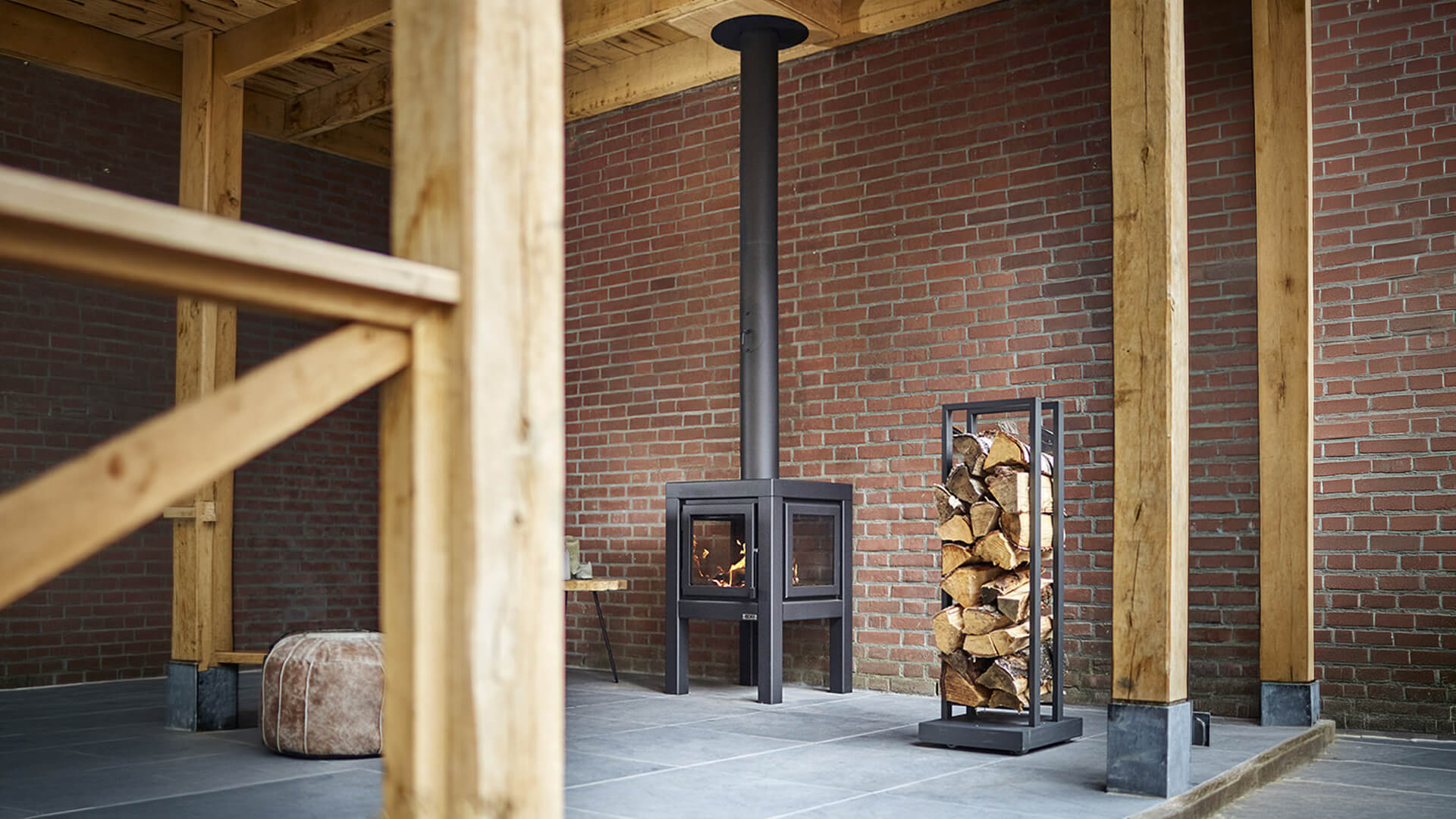
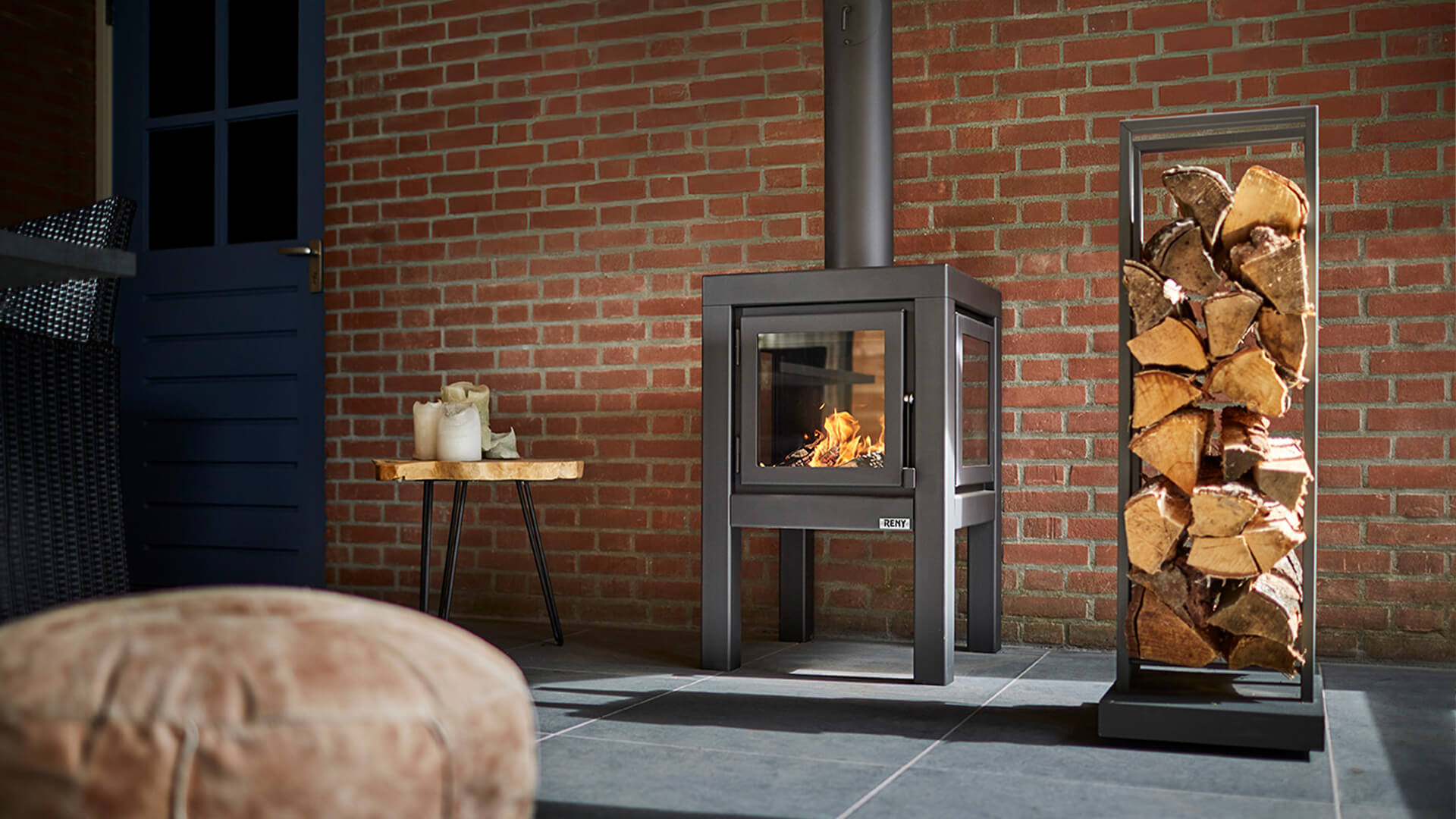
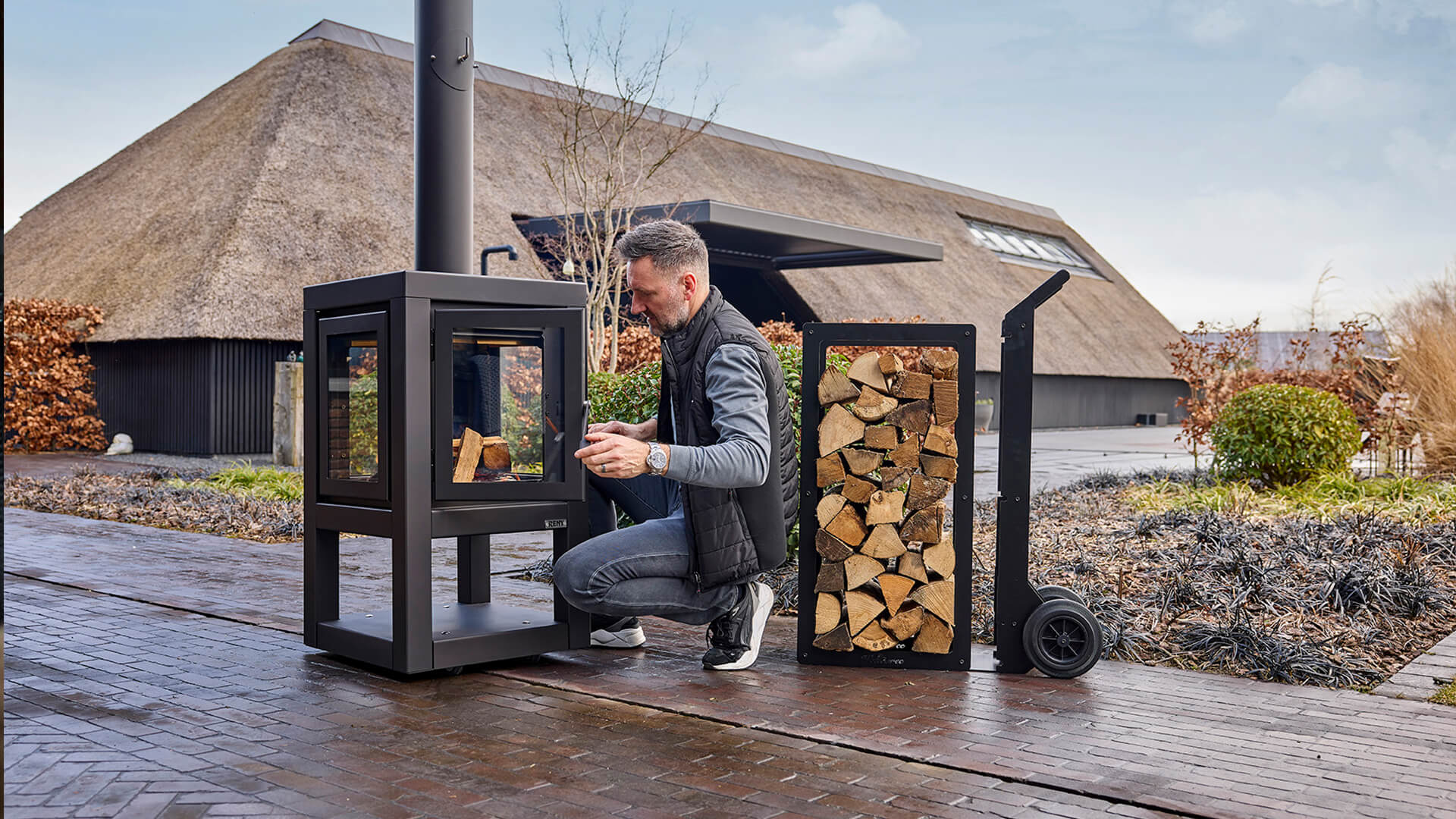
Yes — RB73 outdoor woodburners can be placed near walls or fences, as long as correct clearances are followed and the stove is designed for that type of placement. Some models are specifically built for wall positioning, often with features like, solid rear panels, heat shields and insulated panels.

Stoves Designed for Wall Placement

Not all outdoor woodburners are created equal. Some are specifically designed to be positioned against a wall.

These typically include:

  • A solid rear panel instead of glass
  • A firebrick or insulated backing
  • Optional heat shields
  • Forward-directed heat output


These features reduce heat transfer to the rear, making wall placement much more practical. All RB73 models are available with a solid rear panel option.

Using Heat Shields

If you want to position a stove closer to a fence or wall, a heat shield can make a big difference.

Heat shields:

  • Reduce the amount of heat reaching the surface behind
  • Allow for reduced clearance distances
  • Add an extra layer of protection


They’re especially useful when:

  • Space is limited
  • You’re working with timber fencing
  • You want a cleaner, tighter layout


The following RB73 models are available with optional heat shields:

  • Quaruba L / L Mobile
  • Quaruba XL / XL Mobile
  • Quaruba XXL / XXL Mobile
  • Fennek 50
  • Fennek 80
  • Quercus

Real-World Garden Setups

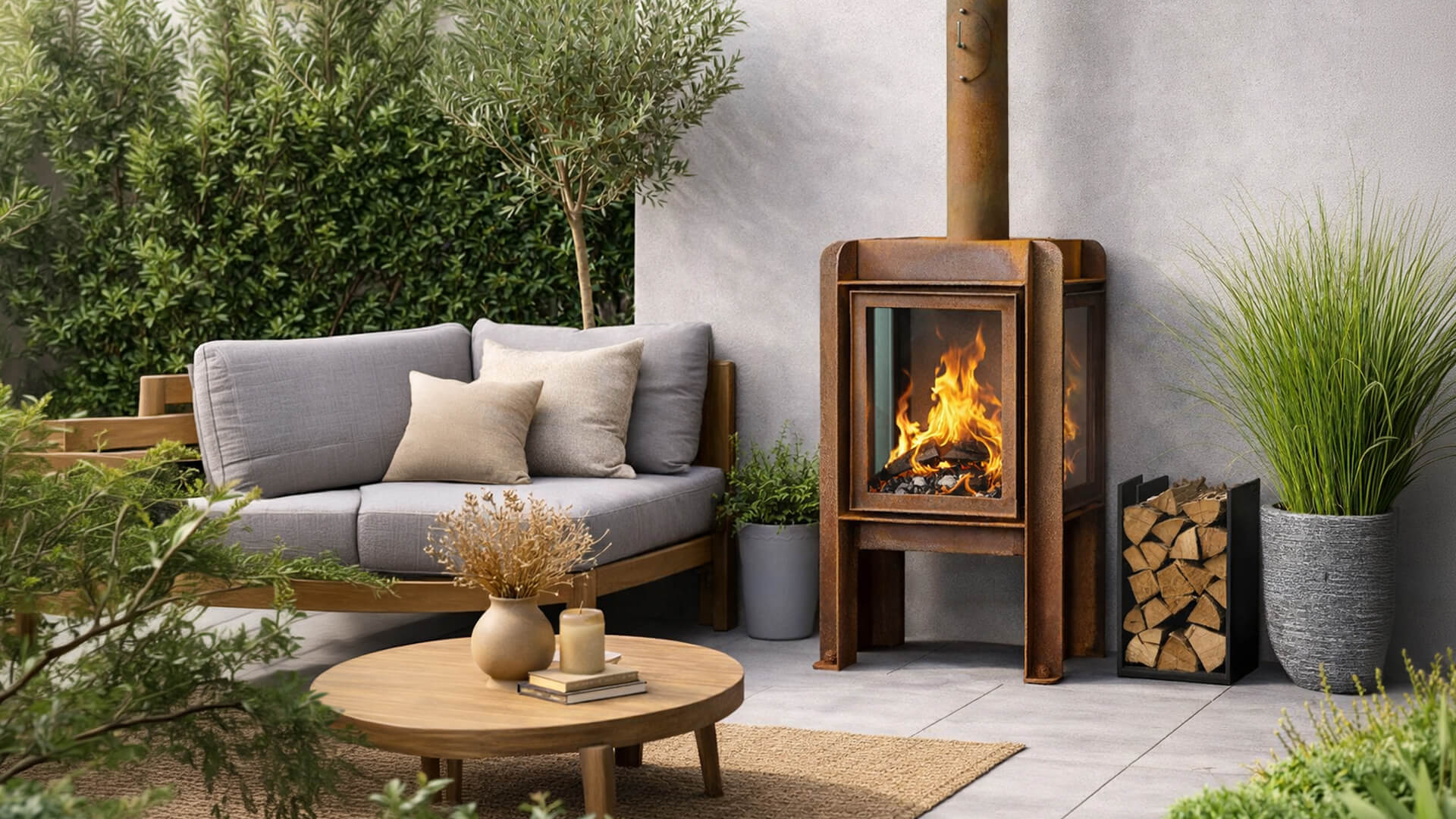
In most UK gardens, outdoor woodburners are placed:

  • Against a wall or fence → using a 3-sided model with rear protection
  • Near a boundary with spacing → allowing airflow and heat dispersion
  • As part of a seating area → positioned to direct heat into the space


The key is designing the layout around the stove — not squeezing it in afterwards.

If you’re planning your layout, explore our range of RB73 outdoor woodburners — including models designed specifically for wall placement and compact garden spaces.

Common Mistakes to Avoid

Placing too close without checking clearances

This is the biggest one — and completely avoidable.


Using the wrong model for the space

A 4-sided stove right up against a fence? Not ideal.


Ignoring heat direction

Even if the back is protected, the front and sides still radiate heat.


Treating it like a movable fire

Outdoor woodburners are designed to be positioned intentionally.

FAQs

How close can an outdoor woodburner be to a fence?

It depends on the model and whether a heat shield is used. Always follow manufacturer guidelines, as clearances vary.


Can I place a woodburner against a wooden fence?

Yes — but only if the correct clearances are maintained and the stove is suitable for that setup.


Do I need a heat shield?

Not always, but it can significantly reduce clearance requirements and improve safety.


Is it safer to place it near a wall or centrally?

Both can be safe — it depends on the model and how the space is designed.

Final Thoughts

Placing an outdoor woodburner near a fence or wall isn’t just possible — it’s often the most practical setup for UK gardens.

The key is choosing the right model and allowing for proper clearances.

Get that right, and you’ll end up with a setup that feels intentional, safe, and well-integrated into your space.

Related Posts

How to Replace Glass in an RB73 Stove

Replacing glass in an RB73 stove depends on the model and location: door glass is removed using pop-out clips, while side and rear panels (on certain models) lift out or are unbolted first. In all cases, the new glass must sit perfectly flat with no wobble—there are no rope seals or tightening involved.

Read More
0